When choosing tableware for homes, restaurants, or outdoor dining, durability is one of the most important factors to consider. Among the most common options are glass, porcelain, and melamine dinnerware. While glass and porcelain are known for their elegance and traditional appeal, melamine dinnerware has gained popularity due to its exceptional strength and resistance to breakage. Understanding how these materials compare in real-world use helps consumers and businesses make better purchasing decisions based on safety, cost, and long-term performance.
Material Strength and Breakage Resistance Comparison
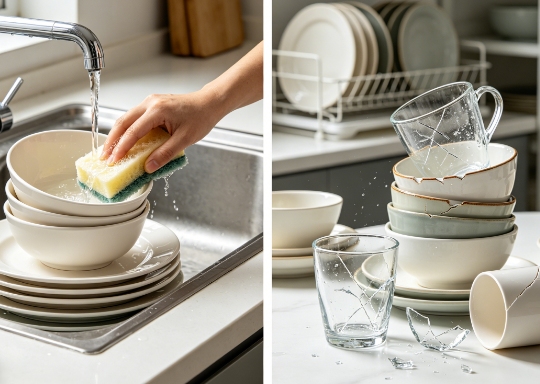
Durability is often first measured by how easily a material breaks under pressure or impact. In this aspect, melamine dinnerware performs significantly better than glass and porcelain.- Impact resistance advantage: Melamine is highly resistant to drops and collisions, making it ideal for high-traffic environments such as restaurants, cafeterias, and outdoor events. Unlike glass or porcelain, it does not shatter into dangerous pieces when dropped.
- Glass fragility factor: Glass tableware offers aesthetic clarity but is extremely vulnerable to cracking or breaking even under moderate impact. This limits its application in busy or uncontrolled environments.
- The Brittleness of Porcelain: Although in some instances it is stronger than glass, porcelain remains highly susceptible to chipping or shattering when subjected to sudden external impact or accidental drops.
- Long-term structural stability: Melamine maintains its shape and structural integrity over time, even with frequent handling, making it more reliable for daily heavy use.
Heat Resistance and Usage Limitations
Durability is not only about physical strength but also about how materials respond to temperature changes and heat exposure.- Melamine heat sensitivity: While melamine dinnerware is strong, it cannot withstand high temperatures, such as microwaving or oven heating. Overheating may lead to deformation or material degradation.
- Glass thermal tolerance: Glass can handle moderate heat but is susceptible to thermal shock if exposed to sudden temperature changes, such as moving from cold to hot environments.
- Porcelain heat endurance: Porcelain performs better under heat and can safely be used in ovens and microwaves, making it more versatile in cooking applications.
- Practical Insight: In settings where items are used solely for serving, melamine is highly durable; however, for cooking or heating purposes, porcelain and specific types of glass are more suitable.
- This shows that while melamine excels in physical durability, it is limited in high-temperature functionality.
Wear Resistance and Long-Term Appearance
Another important factor is how well tableware maintains its appearance after long-term use and repeated cleaning.- Scratch resistance of melamine: Melamine dinnerware resists minor scratches and surface damage better than glass and porcelain in everyday use, especially in commercial settings.
- Glass surface clarity issue: Glass maintains clarity but can develop visible scratches or chips over time, which affect appearance and safety.
- Porcelain glaze durability: Porcelain has a glazed surface that looks elegant but can wear down or chip after repeated use or harsh washing cycles.
- Dishwasher performance comparison: Melamine generally performs well in dishwashers, though high-temperature cycles may gradually dull its surface, while porcelain and glass remain more stable under heat but are more fragile physically.
Suitability for Different Environments and Applications
Different materials perform better depending on where and how they are used.- Commercial Food Service: Given its shatterproof, lightweight, and easy-to-handle characteristics, melamine tableware is widely utilized in restaurants, buffets, and the broader food service industry.
- Home and Daily Use: Particularly suitable for families with children, as accidental drops frequently occur in such households.
- Outdoor Dining Settings: Melamine tableware is an ideal choice for picnics, barbecues, and various outdoor activities—particularly in situations where the use of glass or porcelain might pose safety risks.
- Premium dining environments: Glass and porcelain are still preferred in fine dining restaurants due to their aesthetic appeal and heat compatibility.
Maintenance, Lifespan, and Practical Considerations
Long-term performance also depends on maintenance habits and usage conditions.- Advantage of Easy Maintenance: Melamine requires minimal upkeep and is easy to clean, making it highly suitable for high-intensity usage environments.
- Environmental aging factors: Prolonged exposure to high heat or harsh detergents may slightly reduce its surface shine over time.
- Glass and porcelain maintenance: These materials require more careful handling but maintain their appearance longer if not physically damaged.
- Overall lifespan comparison: When used correctly, melamine can last many years in serving environments, while glass and porcelain may have longer aesthetic lifespans but higher breakage risk.