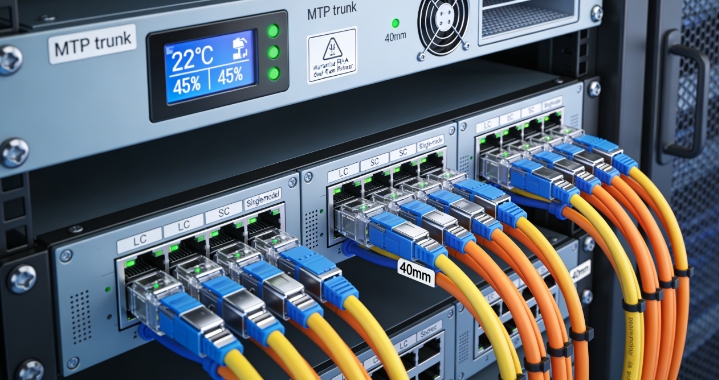
In modern high-speed communication networks, the reliability and lifespan of an MTP trunk cable directly affect data transmission stability and maintenance costs. With the rapid growth of data centers, enterprise networks, and cloud computing environments, understanding the factors that influence the lifespan of an MTP trunk cable is crucial. This article explores the key elements that determine the longevity of MTP trunk cables, helping businesses optimize network investment and maintenance strategies.
1. Material Quality and Fiber Type
- Fiber Type: MTP trunk cables typically use either single-mode or multimode fibers. Single-mode fibers are suitable for long-distance transmission due to low attenuation and longer lifespan, while multimode fibers are ideal for short distances but are more prone to signal degradation over time.
- Jacket and Coating Material: High-quality jackets and coatings provide effective protection against physical damage, UV exposure, and chemical corrosion. Low-quality materials can crack, deform, or peel, reducing cable performance.
- Connector Quality: The precision of MTP connectors directly affects signal stability. High-precision connectors minimize insertion and return losses, extending the overall cable lifespan.
2. Installation Environment and Handling
- Temperature and Humidity: Extreme temperatures or high humidity can alter the physical properties of optical fibers, accelerating aging. The ideal environment ranges from 0°C to 50°C with relative humidity between 10% and 90%.
- Bend Radius Control: Adhering to the minimum bend radius during installation prevents fiber breakage and micro-bending losses that can shorten the cable’s lifespan.
- Dust and Cleanliness: Exposed connector ports can accumulate dust and contaminants, increasing friction during plugging and unplugging, which reduces signal quality and cable longevity.
3. Usage Frequency and Maintenance
- Insertion and Removal Cycles: Frequent plugging and unplugging can wear out connectors, increase losses, and shorten the MTP trunk cable lifespan
- Regular Inspection: Using optical power meters or fiber testers to check attenuation values allows early detection of potential issues, enabling maintenance or replacement to prolong service life.
- Protective Measures: Using cable trays, racks, or other physical protections prevents pulling, crushing, or other mechanical stresses on the cable in high-traffic environments.
4. Network Load and Transmission Conditions
- Signal Power Management: Excessively high or low optical power can impact MTP trunk cable performance, especially over long distances. Proper power regulation helps extend cable life.
- Environmental Interference: Strong electromagnetic interference or vibrations can affect the connector and cable stability, causing micro-bends and higher losses.
- Load Distribution: Evenly distributing network loads prevents a single cable from handling prolonged high-intensity transmission, extending the lifespan.
5. Brand Reputation and Manufacturing Quality
- Manufacturer Reliability: Reputable MTP trunk cable suppliers ensure high-quality materials, precise production processes, and strict quality control to guarantee cable performance and lifespan.
- Manufacturing Precision: Alignment accuracy, end-face polishing, and connector assembly directly affect insertion loss and reflectance, with precise manufacturing reducing performance degradation over time.
- Certification Standards: MTP trunk cables compliant with ISO, TIA, or IEC standards usually offer higher reliability and longer service life.