
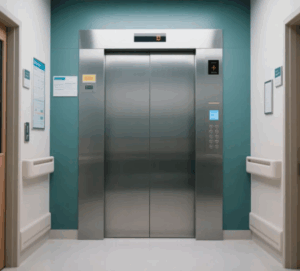
A hospital elevator is more than a transportation tool; it directly shapes how patients perceive their hospital journey. In hospitals where patients may make 4–6 trips between departments daily, elevators influence feelings of stress, confidence, and care quality. Thoughtful elevator design can transform a routine ride into a reassuring, smooth, and supportive experience for patients and visitors alike.
- Patient-Centered Focus
I. Creating a Positive Sensory Experience with Hospital Elevator
A hospital elevator can improve patient perception through sensory design.- Visual Comfort
- Auditory Environment
II. Reducing Psychological Stress During Waiting
Even a short wait for an elevator can affect patient mood. A hospital elevator designed to reduce perceived waiting time enhances satisfaction.- Information and Feedback
- Queue Management
III. Supporting Emotional Well-Being During Transport
A hospital elevator can act as a safe, private space that respects patient dignity.- Privacy and Space
- Lighting and Mood
IV. Facilitating Interaction and Engagement
A hospital elevator can be used to promote engagement and reassurance.- Digital Displays
- Feedback Opportunities