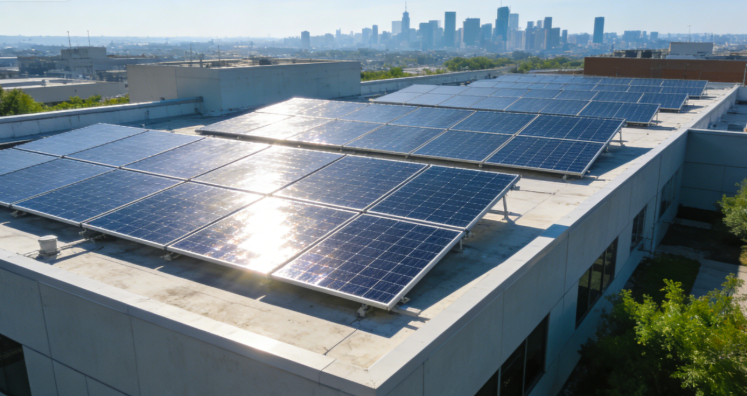
The solar energy sector is experiencing rapid transformation, and in 2026, bifacial solar panel manufacturers are emerging as key leaders in the industry. Bifacial solar panels differ from conventional panels by capturing sunlight from both the front and rear surfaces, significantly increasing energy output without expanding installation space. As global energy demands rise and sustainability becomes more critical, these manufacturers are driving innovation, delivering efficient and environmentally responsible solutions, and setting new benchmarks in the solar market. Their commitment to research, technological advancement, and quality production has positioned them at the forefront of the industry.
Advanced Technology and Performance
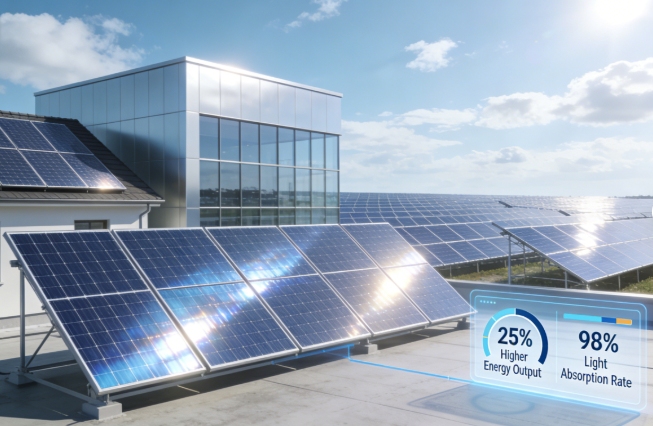
A core reason for the success of bifacial solar panel manufacturers is their focus on advanced technology. Bifacial panels use dual-sided photovoltaic cells, allowing them to capture both direct sunlight and reflected light from surrounding surfaces. This design can increase energy production by 20–30% compared to traditional single-sided panels. Key technological features include:- Anti-reflective coatings– These coatings minimize light loss due to reflection, ensuring that more sunlight is absorbed by the solar cells. This improves efficiency, especially in high-glare conditions such as snowy or sandy environments, and helps panels maintain consistent output throughout the day.
- High-efficiency solar cells– Advanced photovoltaic cells are optimized to perform well even under low-light conditions, such as cloudy days or shaded areas. This means bifacial panels can generate energy more consistently than standard panels, making them ideal for residential rooftops with partial shading or urban commercial installations where sunlight exposure may be uneven.
- Reinforced glass and durable frames– The panels are built to withstand extreme weather conditions, including heavy rain, hail, strong winds, and high temperatures. Reinforced tempered glass protects the cells from physical damage, while robust frames maintain structural integrity over decades. This durability reduces maintenance costs and extends the panels’ lifespan, ensuring reliable long-term energy production.
- Smart monitoring systems– Many manufacturers integrate IoT-enabled sensors and monitoring systems into their panels. These systems track real-time performance, detect anomalies, and provide predictive maintenance alerts. By enabling continuous performance optimization, these systems help maximize energy yield and reduce operational downtime for large-scale solar farms and commercial installations.
Exceptional Energy Efficiency
Energy efficiency remains a key differentiator for bifacial solar panel manufacturers. By utilizing reflected and diffused sunlight, bifacial panels deliver higher yields per square meter than traditional panels. When combined with solar tracking systems that adjust the panel orientation throughout the day, this technology can further maximize energy capture. Higher energy output translates to a lower levelized cost of electricity (LCOE) for users, making solar installations more financially attractive. For commercial and utility-scale projects, this efficiency also reduces the number of panels required to meet energy targets, decreasing installation costs, maintenance needs, and long-term operational expenses.Sustainability and Environmental Benefits
Sustainability plays a crucial role in the rise of bifacial solar panel manufacturers. These panels often use recyclable materials and are designed for long lifespans, typically over 25 years, reducing environmental impact over time. Additional benefits include:- Lower carbon emissions per unit of energy generated due to higher efficiency.
- Reduced land use compared to conventional ground-mounted solar farms.
- Contribution to global renewable energy goals by supporting widespread clean energy adoption.
Market Leadership and Competitive Advantages
The global adoption of bifacial technology is growing rapidly, positioning bifacial solar panel manufacturers as market leaders. Key factors driving this growth include:- Strong demand from commercial and utility-scale solar projects worldwide.
- Government incentives and renewable energy mandates are encouraging high-efficiency panels.
- Rigorous quality control and advanced manufacturing techniques ensure reliable performance.