The Historical Origins of Spanish Hand Held Fans
Spanish Hand Held Fans date back to the 16th century, when Spain established extensive trade connections with Asia, Africa, and the Americas. Initially introduced from the East, these fans quickly became integrated into Spanish culture. Early fans were often simple and functional, made of bamboo, feathers, or other lightweight materials to provide relief in hot climates. Over time, however, they evolved into decorative items and status symbols, especially among noblewomen.
During the 16th to 18th centuries, upper-class Spanish women often owned multiple exquisitely crafted fans. Skilled artisans would handcraft these fans using fine materials such as ivory, pearls, or silk. Spanish Hand Held Fans were no longer just practical tools—they became a way for women to display elegance, refinement, and social standing. Fans appeared at court gatherings, social events, and even weddings, symbolizing both sophistication and cultural identity.
The Cultural Significance of Spanish Hand Held Fans
In Spain, Spanish Hand Held Fans are much more than everyday objects; they carry deep cultural and artistic symbolism.
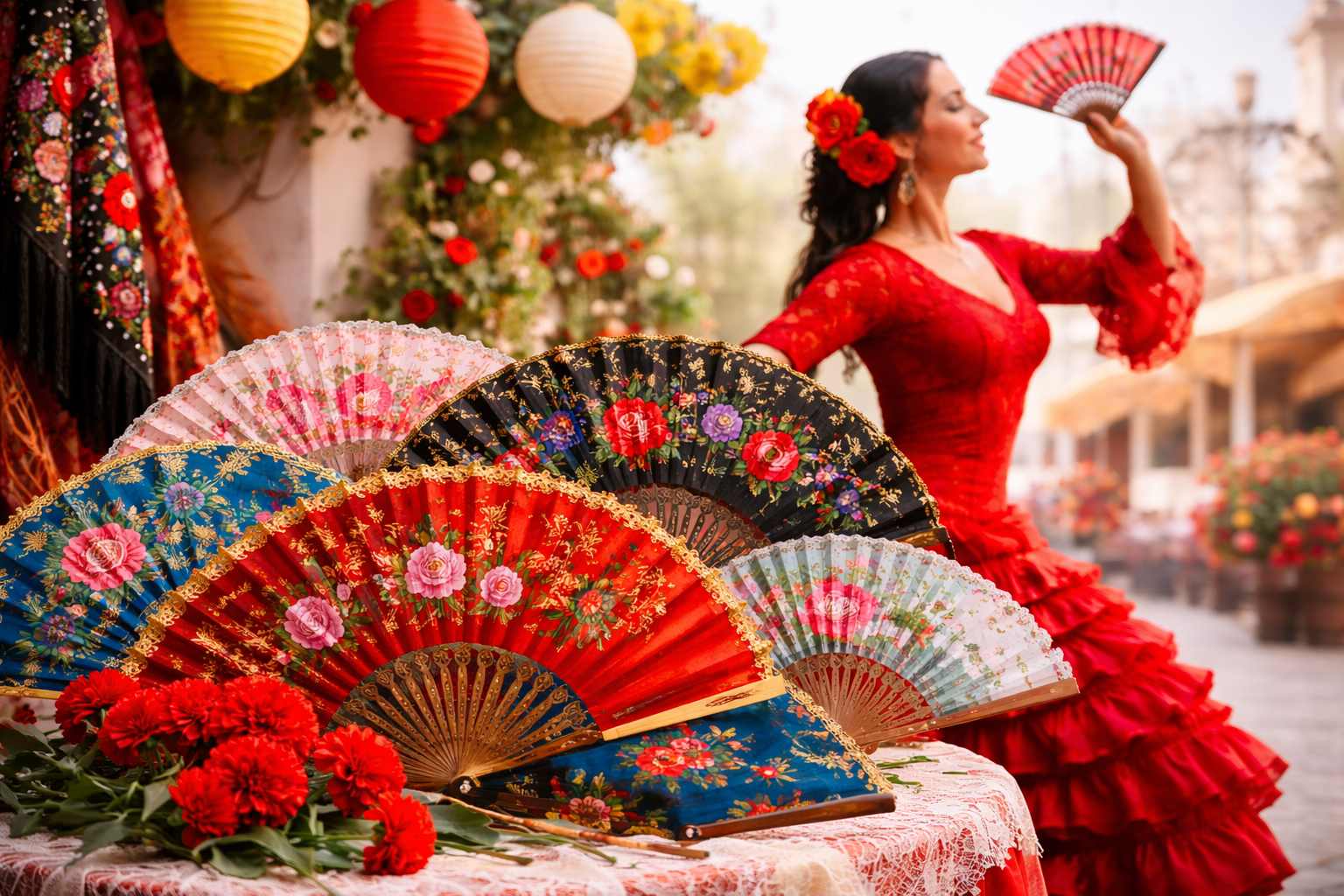
- Role in Flamenco Dance: In traditional Flamenco performances, dancers use fans to enhance the expression of emotion, rhythm, and storytelling. The opening, closing, and twirling of fans add visual beauty and dramatize the dance.
- Artistic and Craft Value: Fans are often decorated with hand-painted flowers, landscapes, or intricate cut-out designs. Styles vary across regions—Andalusian fans are colorful and ornate, while those from northern Spain tend to be simpler and more classical. Fans reflect the richness of Spanish craftsmanship and artistry.
- The “Language of the Fan”: During the 18th and 19th centuries, women used fans to convey subtle social signals or emotions in public, a practice known as the “language of the fan.” For example, gently closing a fan could indicate refusal, while quick movements might express urgency or excitement. This coded communication added a layer of mystery and romance to the fan’s cultural role.
The Modern Role of Spanish Hand Held Fans
Today, Spanish Hand Held Fans remain an iconic symbol of Spanish culture, with significance in several areas:
- Festivals and Tourism: Fans continue to play an important role in Spain’s vibrant festivals and cultural events. They are prominently featured during regional celebrations such as Feria de Abril in Seville, where women dress in traditional flamenco attire and carry colorful fans that complement their costumes. Fans are also popular souvenirs for tourists, often hand-painted with traditional Spanish motifs, allowing visitors to take home a piece of Spanish heritage.
- Art Collection: Antique fans are highly valued as cultural artifacts. Museums and private collectors carefully preserve them to showcase the exquisite craftsmanship, intricate designs, and historical significance of these items. Each fan tells a story of its era—whether it was made for aristocracy, used in courtly rituals, or employed as a tool of social communication through “fan language.”
- Fashion Interpretation: Modern designers often draw inspiration from Spanish fans, incorporating their shapes, patterns, and vibrant colors into contemporary fashion and accessories. From runway shows to boutique collections, fans influence dresses, handbags, and even jewelry, bridging traditional Spanish culture with modern aesthetic trends.
- Cultural Continuity: Spanish Hand Held Fans play a key role in keeping cultural traditions alive. Educational programs, flamenco schools, craft workshops, and tourism initiatives teach younger generations how to appreciate, use, and even make traditional fans. By doing so, fans serve not only as decorative objects but also as living cultural artifacts that maintain Spain’s artistic heritage.
Conclusion
Spanish Hand Held Fans are far more than simple handheld objects—they embody centuries of Spanish history, artistry, and cultural identity. Through these fans, one can gain insight into Spain’s social customs, aesthetic sensibilities, and the lives of past generations. From the grandeur of royal courts and the subtle gestures of social etiquette to the passionate expressions of Flamenco performances and their influence in modern fashion, fans have remained a vivid and versatile symbol of Spain.
Their enduring presence in festivals, museums, fashion, and education highlights why Spanish Hand Held Fans are widely recognized as an emblem of Spanish heritage. They represent not only traditional beauty and elegance but also the continuity of a cultural legacy that has been carefully preserved and celebrated across generations.
0