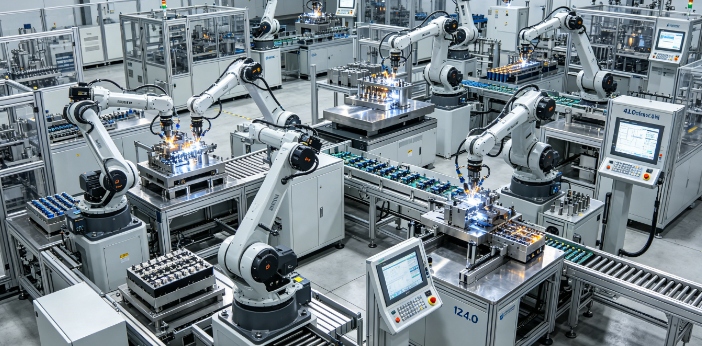
Motion control products are essential components used in modern automation systems to precisely regulate the movement of machines, equipment, and industrial processes. These products are widely applied in manufacturing, robotics, packaging, semiconductor production, and other high-precision industries where accuracy, speed, and reliability are critical. As industrial automation continues to evolve, the demand for high-performance motion systems has increased significantly, leading many companies to work closely with a professional motion control products supplier to ensure stable system integration and long-term operational efficiency. In simple terms, motion control technology enables machines to move exactly as programmed, improving productivity and reducing human error in complex operations.
Core Components of Motion Control Systems
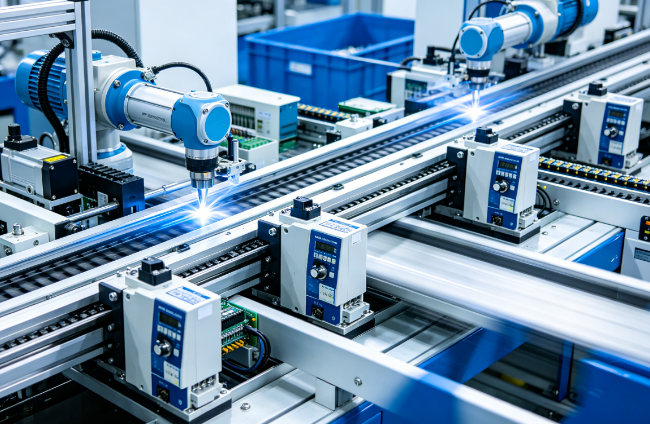
Motion control products are not a single device but a combination of several key components working together:- Servo motors and drives for precise movement Servo motors are responsible for converting electrical signals into controlled mechanical motion. Paired with servo drives, they allow accurate speed, torque, and position control, making them essential in robotics and CNC machinery.
- Controllers are the system's “brain.” Motion controllers process input commands and coordinate multiple axes of movement. They ensure synchronization between different mechanical parts, especially in multi-axis systems such as robotic arms or automated assembly lines.
- Feedback devices for real-time accuracy Encoders and sensors provide real-time data about position and speed. This feedback loop helps the system automatically correct errors, ensuring consistent precision during operation.
- Mechanical transmission components Items such as linear guides, ball screws, and actuators convert rotary motion into linear movement, enabling smooth and stable machine operation.
How Motion Control Products Work in Automation Systems
Motion control technology relies on coordinated interaction between hardware and software:- Signal processing and command execution A control system sends digital commands to the motion controller, which then translates them into electrical signals for motors and drives, initiating precise movement.
- Closed-loop feedback correction Sensors continuously monitor machine performance. If any deviation occurs, the system instantly adjusts movement to maintain accuracy and prevent errors.
- Multi-axis synchronization In advanced systems, multiple motors must move in perfect coordination. Motion controllers ensure synchronized operation, which is critical in robotics, printing, and packaging machinery.
- Software integration for programming flexibility Modern motion systems are often programmed through specialized software, allowing engineers to define motion paths, speed curves, and automation logic.
Industrial Applications of Motion Control Products
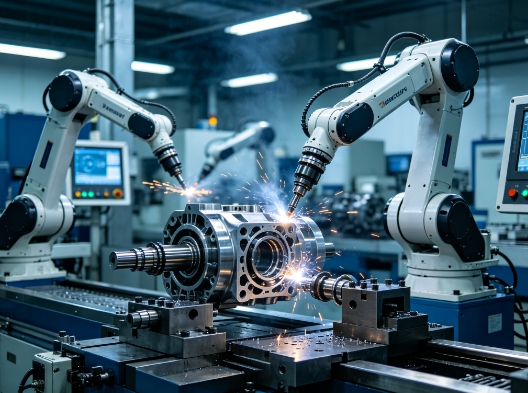
Motion control systems are widely used across various industries due to their precision and flexibility:- Manufacturing and production lines Used in automated assembly, cutting, welding, and material handling systems to improve efficiency and reduce labor costs.
- Robotics and smart automation Industrial robots rely heavily on motion control for accurate positioning, especially in tasks like pick-and-place, welding, and inspection.
- Packaging and printing industries High-speed packaging machines require synchronized motion to ensure consistent sealing, labeling, and product handling.
- Semiconductor and electronics production Extremely precise motion control is required in wafer handling, chip assembly, and inspection processes where micron-level accuracy is necessary.
Key Benefits of Motion Control Systems
The use of motion control products provides significant advantages in industrial operations:- Improved precision and repeatability Machines can perform identical movements repeatedly with extremely high accuracy, reducing product defects and improving consistency.
- Higher production efficiency Automated motion systems operate faster than manual processes, significantly increasing output in manufacturing environments.
- Reduced operational costs Automation minimizes labor dependency and reduces maintenance errors, leading to long-term cost savings.
- Enhanced system flexibility Modern systems can be reprogrammed for different tasks, allowing manufacturers to quickly adapt to changing production needs.
Selection Considerations and Supplier Importance
Choosing the right motion control system requires careful evaluation of technical and operational factors:- System compatibility and performance requirements Different applications require different torques, speeds, and precision levels. Proper matching ensures optimal system performance.
- Reliability and component quality High-quality components reduce downtime and maintenance costs, improving long-term productivity.
- Technical support and engineering expertise Working with an experienced motion control products supplier ensures access to technical guidance, system integration support, and after-sales service.
- Scalability for future expansion Systems should be designed with flexibility in mind to support future upgrades or production expansion.