Share:

Mixed nuts snacks are widely marketed as a convenient and nutritious option for busy lifestyles. Because mixed nuts snacks combine different types of nuts in one portion, they offer a mix of healthy fats, plant protein, fiber, and micronutrients. Many people choose mixed nuts snacks as a daily habit, assuming they are automatically beneficial. However, eating mixed nuts snacks every day is not simply a yes-or-no health decision. The real answer depends on portion control, processing methods, and how they fit into an overall dietary pattern.

Nutritional Composition Of Mixed Nuts Snacks

  • Macronutrient Structure And Caloric Density
Mixed nuts snacks are primarily composed of fats, especially monounsaturated and polyunsaturated fatty acids. These fats are considered heart-friendly when they replace saturated fats in the diet. In addition, mixed nuts snacks provide moderate protein and small amounts of carbohydrates, along with dietary fiber that supports digestive health. Despite these benefits, mixed nuts snacks are energy-dense. A standard 28-gram serving often contains between 160 and 200 calories. From a metabolic perspective, calorie density matters. Daily consumption without adjusting total energy intake may gradually lead to weight gain, even if the food itself is nutrient-rich.
  • Micronutrients And Functional Compounds
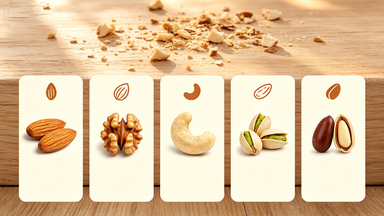
Another advantage of mixed nuts snacks is their micronutrient diversity. Almonds contribute vitamin E, cashews provide magnesium, Brazil nuts offer selenium, and walnuts contain plant-based omega-3 fatty acids. These nutrients support immune regulation, nerve function, and antioxidant defense. Mixed nuts snacks also contain phytosterols and polyphenols. These plant compounds may help reduce oxidative stress and improve lipid metabolism. Their long-term effects depend on consistent but moderate intake. mixed nuts snacks

Cardiovascular And Metabolic Effects Of Mixed Nuts Snacks

  • Impact On Cholesterol And Heart Health
Clinical research has shown that regular nut consumption is associated with improved lipid profiles. When mixed nuts snacks replace refined carbohydrates or processed snacks, they may lower LDL cholesterol and maintain HDL levels. This shift supports cardiovascular health. However, heavily salted mixed nuts snacks can increase sodium intake, which may negatively affect blood pressure. Choosing unsalted or lightly salted options is a practical way to maintain the heart-related benefits.
  • Blood Sugar Stability And Insulin Response
Mixed nuts snacks have a low glycemic impact because they are low in digestible carbohydrates. Their fat and fiber content slows gastric emptying, leading to a more gradual release of glucose into the bloodstream. For individuals managing insulin sensitivity, mixed nuts snacks can be a stabilizing snack choice. Still, flavored varieties coated with sugar or honey can undermine this advantage. Ingredient quality plays a crucial role in metabolic outcomes.

Weight Management And Satiety With Mixed Nuts Snacks

  • Appetite Regulation Mechanisms
Although mixed nuts snacks are calorie-dense, they are also highly satiating. The combination of protein, fat, and fiber increases fullness hormones and reduces short-term hunger. People who replace high-sugar snacks with mixed nuts snacks often report better appetite control throughout the day. The structure of whole nuts also requires more chewing, which may enhance satiety signals compared to ultra-processed snacks.
  • Portion Awareness And Behavioral Factors
Daily consumption of mixed nuts snacks is beneficial only when portions are controlled. Eating directly from large containers increases the risk of unintentional overeating. Pre-measured servings or mindful snacking habits help maintain balance. From a behavioral standpoint, mixed nuts snacks should function as a replacement for less nutritious foods, not as an extra addition to an already calorie-rich diet.

Practical Considerations For Daily Mixed Nuts Snacks Intake

  • Processing Methods And Additives
Not all mixed nuts snacks are nutritionally equal. Oil-fried products increase total fat content, while flavored coatings add sugar and artificial ingredients. Dry-roasted or raw mixed nuts snacks typically retain more of their natural nutritional integrity. Reading ingredient labels is essential. A shorter ingredient list often indicates a less processed product.
  • Storage And Freshness
Because mixed nuts snacks contain natural oils, improper storage can lead to oxidation and rancidity. Exposure to light, air, and heat accelerates fat degradation. Storing mixed nuts snacks in airtight containers, preferably in a cool environment, preserves quality and flavor.Freshness directly affects both taste and nutritional stability.

Conclusion

Mixed nuts snacks can be a healthy daily choice when consumed in moderate portions and selected carefully. They provide beneficial unsaturated fats, plant protein, fiber, and essential micronutrients that support heart and metabolic health. However, their high caloric density and potential added ingredients require attention. Eating mixed nuts snacks every day is not inherently harmful, but it should be intentional. When integrated into a balanced diet and used as a replacement for processed snacks, mixed nuts snacks can contribute positively to long-term health rather than compromise it.0

Featured Articles

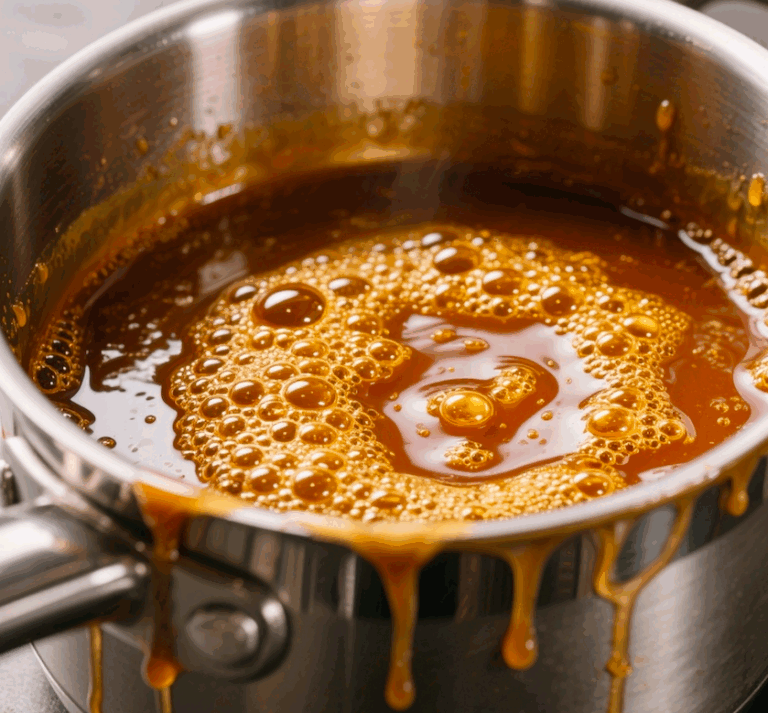
liquid caramel
What is Liquid Caramel? How is It Made?