With the growing demand for renewable energy, more homeowners and businesses are looking for ways to get the most out of their solar installations. Simply installing panels is no longer enough—maximizing energy production has become the key goal. High-Efficiency Solar Panels are specifically designed to address this need by delivering superior performance, higher power output, and better long-term value.
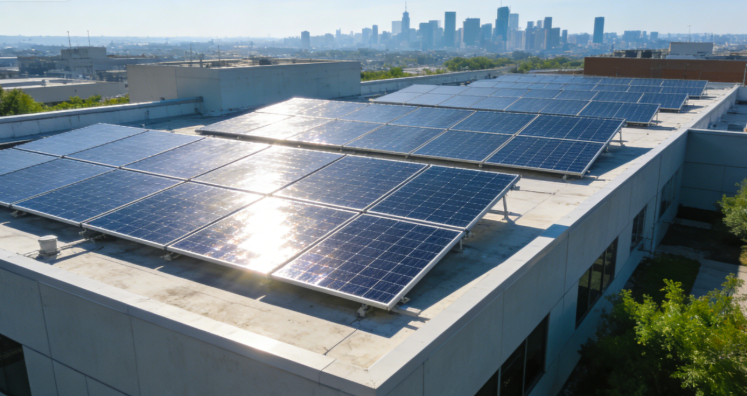
What Are Highly Efficient Solar Panels?
High-Efficiency Solar Panels are photovoltaic modules engineered to convert more sunlight into electricity than standard panels. While traditional solar panels typically convert around 15%–18% of sunlight into usable energy, highly efficient panels often achieve efficiencies above 20%. This higher conversion rate means:- More electricity is generated per square meter of roof space
- Higher energy density, ideal for rooftops with limited installation area
- Greater total system output without needing additional panels
Advanced Cell Technology
One of the main reasons highly efficient solar panels deliver better performance is their advanced cell technologies. Key innovations include:- Monocrystalline cells, which offer higher purity silicon for better sunlight absorption and electricity generation
- PERC (Passivated Emitter and Rear Cell) technology improves light capture and reduces internal energy loss
- Bifacial designs, allowing panels to absorb reflected sunlight from both the front and back sides
Optimized Performance in Real-World Conditions
Maximizing energy output is not only about peak sunlight. Real-world conditions such as cloud cover, shading, or temperature fluctuations significantly affect performance. High Efficient Solar Panels are designed to handle these challenges:- Improved low-light performanceensures energy production continues during cloudy mornings, evenings, or overcast days
- Lower temperature coefficientsmaintain efficiency even in hot climates where standard panels may lose power
- Anti-reflective coatingshelp capture diffused sunlight, further increasing output
Space Efficiency and System Design
Limited rooftop space often restricts the total energy a solar system can produce. High-efficiency panels solve this problem by delivering more power per panel, which reduces the number of modules required to reach a desired capacity. Benefits of higher energy density include:- Fewer panels required, lowering installation and structural costs
- Reduced mounting and wiring expenses, simplifying system setup
- Optimized layouts, ensuring maximum sunlight exposure across the roof
Long-Term Financial Benefits
Although highly efficient solar panels may cost more upfront, their higher energy output offers significant long-term advantages:- Faster payback period, as increased electricity production offsets costs sooner
- Lower electricity billsover the 20–25 year system lifespan
- Increased property valuedue to energy-efficient infrastructure
- Energy independence, reducing reliance on the grid