
One of the most reliable solutions for harsh environments is the outdoor armored cable, which is specifically designed to withstand physical stress, environmental challenges, and long-term outdoor exposure. Unlike standard fiber or copper cables, it includes additional protective layers that significantly enhance its durability and performance. Understanding what structural features make an outdoor armored cable more resistant to damage is essential for network engineers, installers, and infrastructure planners who need reliable connectivity in demanding conditions.
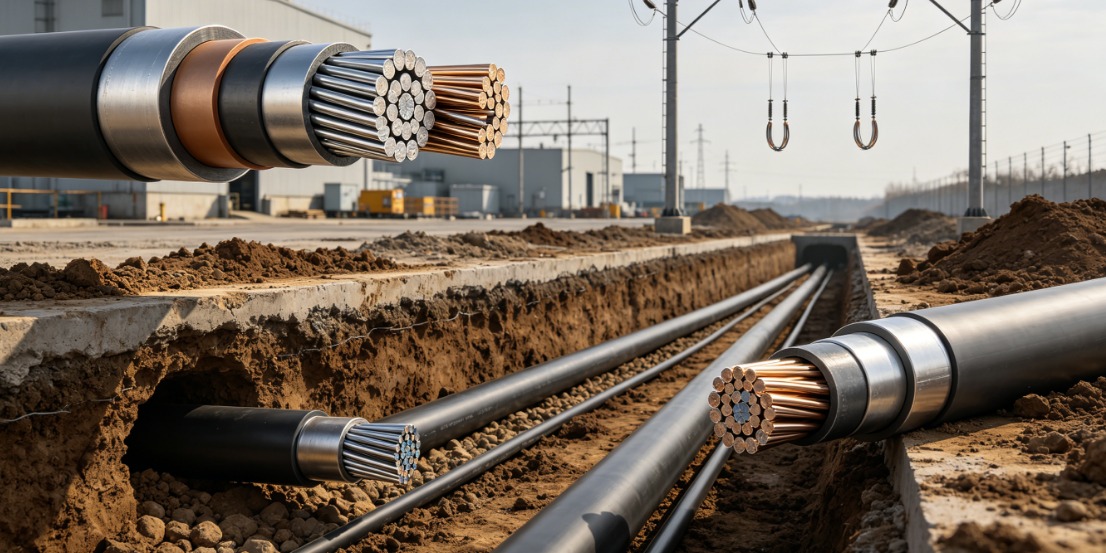
Metal Armoring Layer for Physical Protection
The most defining feature of an outdoor armored cable is its protective metal layer, which plays a critical role in resisting external damage.- Steel tape or steel wire reinforcement A layer of steel tape or steel wires is wrapped around the internal cable structure. This armor acts as a strong barrier against crushing forces, accidental digging, or construction-related impacts.
- Rodent and pest resistance In outdoor or underground environments, rodents can easily damage standard cables. The metal layer prevents animals from chewing through the cable, ensuring long-term network stability.
- High compression resistance The armored structure allows the cable to withstand heavy pressure from soil, rocks, or machinery, making it ideal for direct burial installations.
- Enhanced structural rigidity The added metal layer increases overall stiffness, reducing deformation and protecting internal optical fibers from micro-bending or breakage.
Multi-Layer Cable Construction Design
Another important feature that improves durability is the multi-layer construction of the cable, which provides both mechanical and environmental protection.- Inner fiber protection layer The core optical fibers are placed inside buffer tubes filled with protective gel or water-blocking materials to prevent moisture damage.
- Strength member integration Materials such as FRP (Fiber Reinforced Plastic) or aramid yarn are included to provide tensile strength and prevent stretching during installation.
- Outer jacket shielding The external sheath is usually made of PE, LSZH, or PVC materials, offering resistance to UV radiation, chemicals, and temperature fluctuations.
- Layered shock absorption system Each layer works together to absorb external impact, ensuring that force is not directly transferred to the delicate fiber core.
Environmental Resistance Capabilities
The outdoor armored cable is specifically engineered to perform reliably under various environmental conditions.- Water and moisture protection Water-blocking compounds and sealed structures prevent moisture penetration, which is critical for maintaining signal integrity in rainy or humid environments.
- UV and temperature resistance The outer jacket is designed to resist ultraviolet radiation and maintain flexibility in both high and low temperature conditions.
- Corrosion resistance in harsh environments In coastal or industrial areas, the cable resists corrosion caused by salt, chemicals, or pollutants.
- Stable performance in extreme weather Whether exposed to heavy rain, snow, or strong sunlight, the cable maintains consistent performance without degradation.
Enhanced Mechanical Strength for Installation Flexibility
Installation conditions often require cables to endure pulling, bending, and tension, which is where structural strength becomes essential.- High tensile strength design The internal strength members allow the cable to be pulled over long distances without breaking or stretching.
- Improved bending performance Despite its reinforced structure, the cable is designed to maintain flexibility within safe bending limits to avoid fiber damage.
- Suitable for aerial and direct burial use Its strong structure makes it adaptable for both overhead installation and underground deployment.
- Reduced installation damage risk The robust design minimizes the chance of accidental damage during handling, pulling, or routing.
Long-Term Durability and Network Reliability
Beyond physical protection, structural design also ensures long-term performance and reduced maintenance costs.- Extended service life Due to its reinforced structure, an outdoor armored cable typically lasts longer than standard cables, reducing replacement frequency.
- Lower maintenance requirements The protective layers reduce the risk of faults, leading to fewer repair interventions over time.
- Stable signal transmission quality By protecting the fiber core from physical and environmental stress, the cable ensures consistent data transmission performance.
- Cost efficiency over time Although initial investment may be higher, the reduced maintenance and replacement costs make it more economical in the long run.