In early childhood education, selecting the right learning tools for different age groups is essential for supporting healthy cognitive and emotional development. Among modern learning resources, talking flash cards educational toys have become increasingly popular due to their interactive design, combining audio, visual, and hands-on learning elements. However, many parents and educators often ask a key question: what age are these toys actually suitable for? The answer is not limited to a single age group. Instead, these educational toys are designed to support children across different developmental stages, with varying levels of complexity and learning content. Understanding age suitability helps ensure that children gain the maximum educational benefit while enjoying an engaging learning experience.
Suitable Age Range for Early Learners (1–3 Years Old)
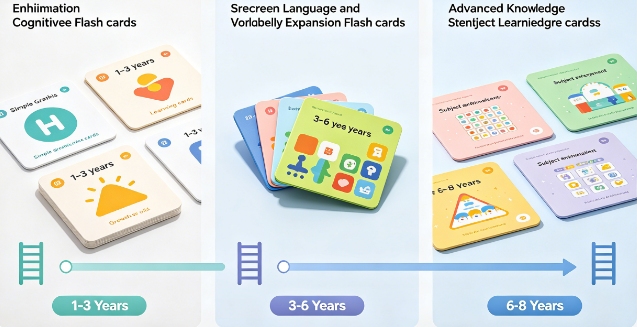
For toddlers between 1 and 3 years old, talking flashcards are primarily used as sensory and language introduction tools. At this stage, children are developing basic recognition skills and learning how to associate sounds with objects. Key benefits for this age group include:- Basic word recognition: Simple words such as animals, colors, and everyday objects help toddlers build early vocabulary awareness.
- Sound stimulation: Repeated audio exposure helps children become familiar with pronunciation patterns and language rhythm.
- Visual association: Bright images paired with sound improve recognition of real-world objects.
- Parent-child interaction: Parents often guide children during play, strengthening bonding and communication.
Preschool Learning Stage (3–6 Years Old)
The preschool stage is considered the most important period for using talking flash card toys. Children in this age group are highly curious and capable of absorbing large amounts of new information quickly. Key learning advantages include:- Vocabulary expansion: Children learn categories such as animals, food, transportation, professions, and daily activities.
- Pronunciation development: Repetition helps improve speaking accuracy and listening comprehension.
- Cognitive skill building: Matching words with images enhances memory and logical thinking.
- Early reading preparation: Familiarity with letters and words lays a foundation for reading skills.
Early Primary School Age (6–8 Years Old)
Children aged 6 to 8 begin formal schooling, and talking flashcards can still play an important supplementary role in their learning process. Although academic learning becomes more structured, these toys help reinforce foundational knowledge. Key benefits include:- Language reinforcement: Supports spelling, pronunciation, and vocabulary retention.
- Subject support learning: Some flash cards introduce math, science terms, or general knowledge topics.
- Independent learning habits: Children can use the toy without constant adult guidance.
- Revision tool: Helps reinforce classroom lessons in a fun and interactive way.
Learning Flexibility Across Different Age Groups
One of the strongest advantages of talking flash card toys is their adaptability. Many modern versions are designed with multiple difficulty levels or expandable content packs, allowing them to grow with the child. Key flexible features include:- Adjustable content complexity: Beginners can start with simple words, while older children can explore advanced topics.
- Multi-language options: Some sets support bilingual or multilingual learning.
- Reusable learning tool: The same device can support different developmental stages over several years.
- Wide topic coverage: From basic vocabulary to general knowledge and early STEM concepts.
Parental Guidance and Educational Usage
Although these toys are suitable for a wide age range, parental involvement plays a key role in maximizing learning outcomes. Parents can adjust usage based on the child’s developmental level and interests. Effective usage strategies include:- Guided learning for younger children: Parents help explain words and encourage repetition.
- Interactive questioning: Asking children to identify objects before revealing answers improves engagement.
- Daily short sessions: Consistent but brief practice helps maintain attention and interest.
- Progress monitoring: Observing which words or categories a child struggles with helps adjust learning focus.