In recent years, parents and educators have increasingly focused on how play-based learning can support early childhood development. Among the most effective tools in this area are educational toys, which are designed to combine fun with structured learning outcomes. These toys are not only entertaining but also serve as important instruments for enhancing cognitive abilities and problem-solving skills in children. Many modern products developed by a professional educational toy manufacturer are based on child psychology and developmental science, ensuring that play activities contribute meaningfully to learning outcomes. Comprehending how these toys impact brain development highlights their importance in early education.
How Educational Toys Support Cognitive Development
Cognitive development refers to how children think, learn, remember, and process information. Educational toys play a direct role in strengthening these abilities.- Memory enhancement activities: Puzzle games and matching cards encourage children to remember shapes, colors, and patterns, improving short-term and long-term memory.
- Pattern recognition skills: Toys that involve sorting, sequencing, or categorizing help children identify relationships between objects and ideas.
- Attention and focus training: Interactive toys require sustained attention, which helps improve concentration span over time.
- Language and communication development: Story-based or word-building toys encourage vocabulary expansion and verbal expression.
Role of Educational Toys in Problem-Solving Skills
Problem-solving is a critical skill that helps children adapt to new challenges and think independently. Educational toys provide a safe and structured environment for developing this ability.- Trial-and-error learning: Building blocks or mechanical toys allow children to experiment, make mistakes, and adjust their approach.
- Logical reasoning tasks: Sequence-based puzzles require children to think step by step to arrive at the correct solution.
- Decision-making scenarios: Some toys present multiple choices, helping children evaluate options before taking action.
- Cause-and-effect understanding: Interactive toys that respond to actions help children understand how their decisions lead to specific outcomes.
Different Types of Educational Toys That Enhance Learning
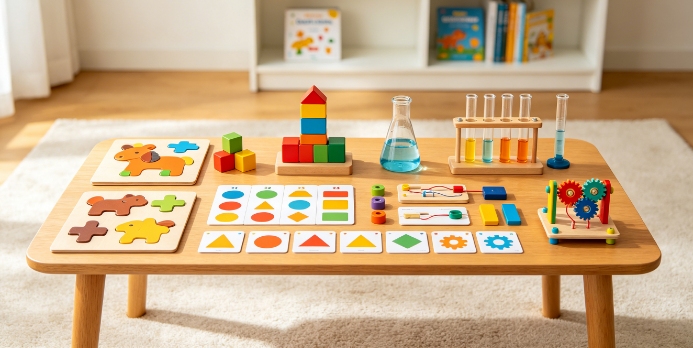
Not all toys have the same educational impact. Different categories target different aspects of development.- STEM-based toys: Science, technology, engineering, and math kits encourage logical thinking and experimentation.
- Building Toys: Building sets enhance children's spatial awareness and creativity by allowing them to design and assemble a variety of structures.
- Puzzle and brain games: These improve analytical thinking and persistence when solving complex tasks.
- Role-play toys: Pretend-play sets help children simulate real-life situations and develop social problem-solving abilities.
Psychological Benefits of Learning Through Play
Beyond cognitive skills, educational toys also support emotional and psychological growth, which indirectly enhances problem-solving ability.- Confidence building through achievement: Successfully completing tasks gives children a sense of accomplishment and motivation to try harder challenges.
- Stress-free learning environment: Play-based learning reduces pressure, making it easier for children to absorb new concepts naturally.
- Creativity stimulation: Open-ended toys allow children to explore different solutions instead of following fixed instructions.
- Social interaction skills: Group play encourages cooperation, negotiation, and shared problem-solving.
Parental and Educational Guidance in Toy Selection
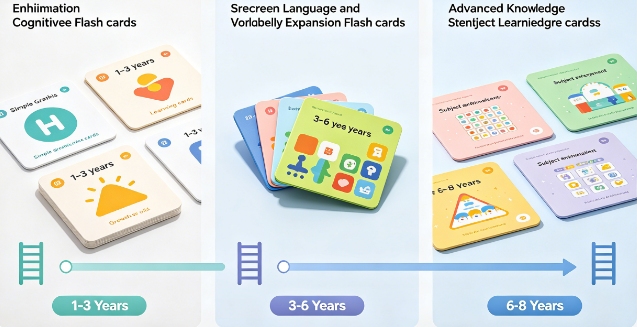
The effectiveness of educational toys also depends on how they are selected and used by parents or educators.- Age-appropriate selection: Toys must match the child’s developmental stage to ensure they are neither too easy nor too complex.
- Balanced play time: Structured play sessions help children focus on learning objectives while still enjoying the activity.
- Active parental involvement: Parents can guide children through challenges, encouraging discussion and reasoning.
- Quality and safety considerations: Products from a reliable educational toy manufacturer are designed to meet safety standards while maintaining educational value.