Rock bolts are vital for supporting the ground during mining and tunneling activities and geotechnical projects. The quality, dimensional accuracy, and suitability of rock bolts to project needs can significantly affect construction efficiency and the effectiveness of the support systems they provide.
It is not just about choosing
rock bolt suppliers based on cost considerations. Buyers should assess product quality, production capacity, technical support, delivery schedules, and after-sales service.
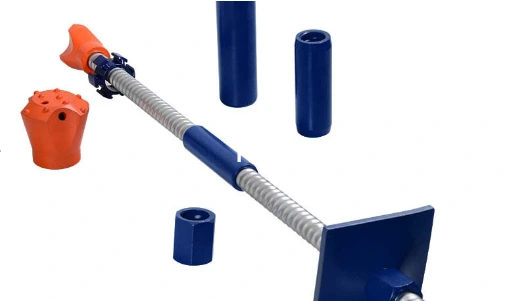
1. Define Your Project Requirements Before Choosing Rock Bolt Suppliers
Make sure that you are clear on your project parameters before approaching the vendors. Clear requirements make comparing quotations easier and reduce the risk of ordering the wrong products.
1.1 Identify the Right Rock Bolt Type
Different applications require different rock bolt designs. Some of these designs include:
- Solid steel rock bolts: These are applied in areas where the mechanical behavior of the bolt is appropriate for the design needs..
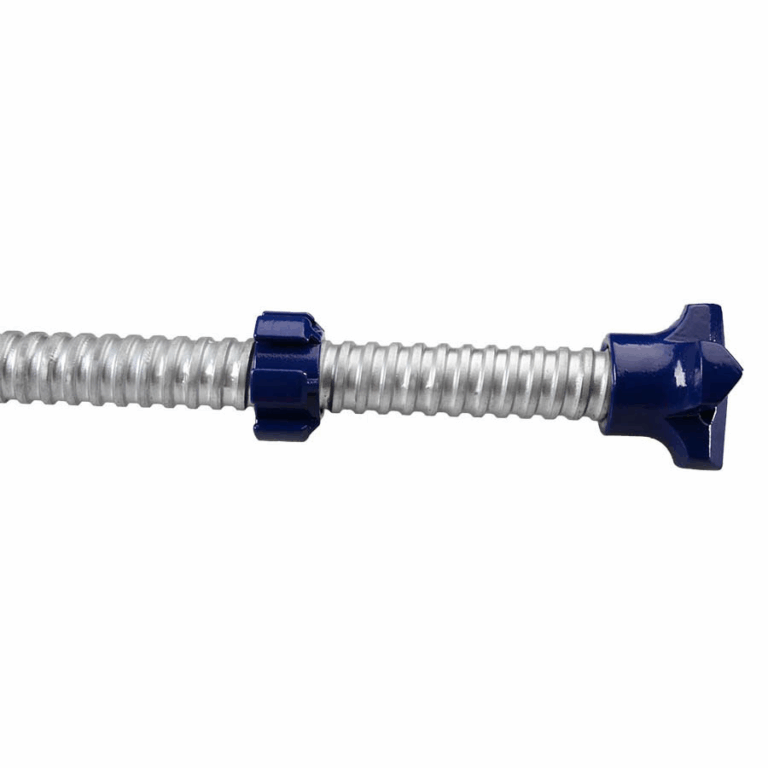
- Hollow grouted rock bolts: Grout can pass through the hollow bar; hence, they can be used where grouting is required.
- Self-drilling rock bolts: These can drill and grout at the same time and can be used in fractured rock.
The appropriate product selection will be made based on rock properties, installation method, and load parameters.
1.2 Confirm Specifications and Order Quantities
Seek quotes after determining the exact diameter, length, steel quality, thread data, load, and any additional accessories needed, such as nuts and bearing plates.
For example, buying 500 rock bolts that are 2.4 meters long requires the item name, material specifications, accessories, and testing criteria.
2. Evaluate the Quality and Manufacturing Capacity of Rock Bolt Suppliers
The quality of the goods will determine their suitability for use. Physical properties, sizes, and manufacturing quality will determine their suitability.
2.1 Check Raw Materials and Quality Control
Buyers should examine the supplier's material verification procedures and manufacturing inspection process. Important considerations include:
- Material properties: Verify the steel grade, mechanical properties, and relevant material certificates.
- Dimensional accuracy: Confirm that bolt length, diameter, threads, and accessories meet the approved drawings.
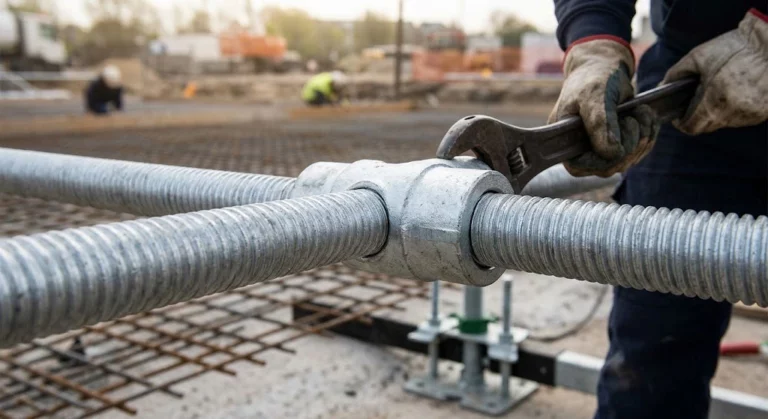
- Surface protection: Determine whether galvanizing or other corrosion protection is appropriate for the project's environmental conditions.
- Performance testing: Review tensile tests, connection tests, or other required inspections according to the applicable product specifications.
For instance, if a project requires bolts measuring 2.4 meters, the purchase agreement should define the permitted length tolerance rather than relying on a general description such as "standard length." The actual tolerance must follow the relevant standards, design documents, or approved technical agreement.
2.2 Verify Production Capacity and Consistency
A trustworthy rock bolt supplier must be able to justify its manufacturing processes, inspection methods, and manufacturing schedules. For large orders, also evaluate equipment capacity, raw materials, and batch-to-batch uniformity.
If a project requires delivery within 30 days, request a production schedule that accounts for manufacturing, inspection, packaging, and transportation.
Batch traceability is another important consideration. Records linking finished products to their materials and production batches can help identify the source of quality issues and improve project quality management.
3. Compare the Technical Support and Customization Capabilities of Rock Bolt Suppliers
Projects may have different geological settings, construction methods, and design requirements. The right provider must offer the right options and communicate technical data clearly.
3.1 Assess Product Selection and Technical Documentation
At the quotation stage, request product brochures, technical data sheets, product certification papers, and any related inspection reports. Ensure that the technical specifications of the documents are consistent with those of the project.
Possible assistance that may be useful for your project includes:
- Suggested product type and specifications.
- Specialized sizes, threads, and accessories.
- Installation and product instructions.
- Timely responses to technical questions.
Suppliers may help you select products, but qualified engineers must make all decisions related to anchor designs, load-bearing capacity, and ground support systems.
3.2 Confirm Custom Order Feasibility
Customization is not limited to changing the product size. The process can also involve alternative manufacturing processes, inspection methods, and tooling.
For instance, if an order is for 1,000 special rock bolts, check the first article inspection, the lead time, and the acceptance criteria before ordering.
Including drawing details, material information, dimensional tolerances, and inspection procedures in a technical agreement can prevent confusion and unnecessary expenses.
4. Evaluate Delivery, Logistics, and After-Sales Service
Even if products meet technical standards, on-time delivery remains vital, especially in projects with tight construction schedules.
4.1 Verify Lead Times and Shipping Arrangements
Total lead time may include preparing raw materials, manufacturing, inspection, packing, and shipment. Specialized goods and export shipments may take longer.
Before placing your order, you should specify:
- The expected lead time of production and inspection.
- Packing and shipment requirements.
- The estimated transport lead time and destination point.
- Export paperwork and trade terms.
For instance, if you need deliveries in 45 days, ensure the supplier separates production time from delivery time and allows enough logistical time. Realistic delivery times are influenced by order requirements and mode of transport.
4.2 Compare Total Procurement Costs
Unit price is not always a reliable indicator of good pricing because steel grades, products, packaging, and delivery conditions can vary.
| Cost factor |
What to check |
| Product price |
Unit price, order quantity, and accessories |
| Packaging |
Protective materials and packing methods |
| Transportation |
Freight charges and additional shipping fees |
| Import costs |
Applicable duties, taxes, and customs clearance |
| Potential risks |
Delays, specification errors, and rework |
Comparing total delivered costs provides a more realistic basis for evaluating quotations and avoiding unnecessary procurement risks.
4.3 Review After-Sales Support
Before signing the contract, define product acceptance criteria, defect-reporting procedures, claim deadlines, and responsibilities for resolving quality issues.
Rock bolt suppliers should make clients aware of how to handle specification errors, transport damage, and non-conformance with inspection standards. This will help address future issues effectively.
Conclusion
When choosing a good rock bolt manufacturer, assess the following: project needs, product quality, production capacity, technical support, delivery, and after-sales service.
First, define the required specifications. Then, review material certifications, testing processes, production plans, and quotation details. If you need to customize your order and buy from abroad, set up your technical agreements and logistics in advance.
However, the most qualified rock bolt suppliers may not be the lowest-priced; buyers should prefer those that can consistently supply the required quality and service. A systematic supplier evaluation process helps buyers manage procurement risks and maintain a steady material supply chain.
0