In modern packaging production, flexibility and efficiency are essential for meeting diverse market demands. A pouch filling sealing machine is widely used in industries such as food, beverage, cosmetics, pharmaceuticals, and daily chemicals due to its ability to package different product types in flexible pouch formats. One of the most frequently asked questions is whether this machine can handle both liquids and powders effectively. In reality, with proper configuration and technology selection, a pouch filling and sealing machine is designed to process a wide range of products, making it a versatile solution for automated packaging lines.
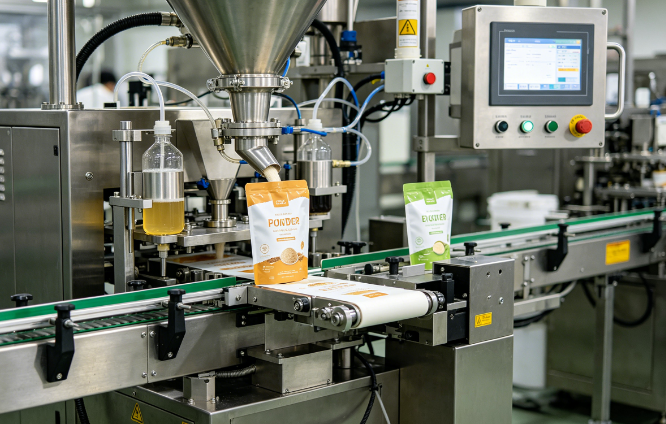
Working Principle and Adaptability of Pouch Filling Sealing Machine
The core design of a pouch filling sealing machine allows it to adapt to different product characteristics through adjustable systems:- Multi-type filling system integration The machine can be equipped with different filling units such as liquid pumps, piston fillers, or auger fillers. This enables it to handle water-like liquids, viscous sauces, and fine powders within the same production framework.
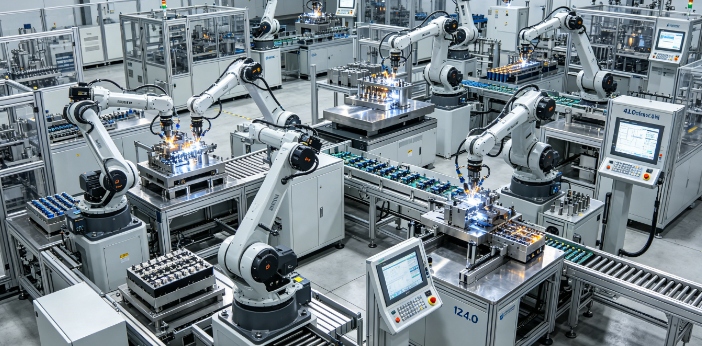
- Automatic pouch handling process From pouch feeding, opening, filling, to sealing, the entire process is automated. Sensors and control systems ensure accurate positioning regardless of product type, maintaining consistent packaging quality.
- Adjustable dosing control system Modern machines use PLC and servo control to adjust filling volume precisely, ensuring accurate dosing whether the material is liquid, paste, or powder.
Liquid Filling Applications in Pouch Packaging
When used for liquid products, the pouch filling sealing machine offers stable and hygienic performance:- Food-grade liquid packaging It is commonly used for juices, milk, soy sauce, and edible oils. The system ensures anti-drip filling and hygienic contact surfaces to maintain product safety.
- Cosmetic liquid filling Products such as shampoo, lotion, and facial cleanser require smooth and precise filling to avoid foam and overflow. Specialized nozzles help control flow speed and reduce air bubbles.
- Chemical liquid handling For detergents and cleaning solutions, corrosion-resistant materials are used to ensure long-term machine durability and safe operation under chemical exposure.
Powder Filling Capabilities and Technical Adjustments
A pouch-filling sealing machine can also efficiently handle various powder products with proper configuration:- Auger screw dosing system Powder materials such as milk powder, coffee powder, and seasoning powder are measured using a precision auger system, ensuring consistent weight accuracy.
- Dust control and sealing the environment To prevent powder leakage, machines are often equipped with dust-proof covers and negative pressure systems, maintaining a clean packaging environment.
- Flowability adjustment mechanisms Different powders possess distinct densities and flow characteristics. The machine can adjust vibration and feeding speed to ensure smooth and uninterrupted filling.
Key Factors Affecting Multi-Product Compatibility
Although a pouch filling sealing machine is highly versatile, several factors influence its performance across different materials:- Material viscosity and density differences Liquids and powders behave differently during filling. Proper nozzle or dosing system selection is essential to maintain accuracy and avoid waste.
- Machine configuration and customization level Not all machines are factory-default multi-functional. Some require customized modules to switch between liquid and powder packaging efficiently.
- Sealing performance requirements Different materials may require different sealing temperatures and pressures to ensure airtight and leak-proof packaging quality.
Advantages of Using a Versatile Pouch Filling Sealing Machine
The ability to handle multiple product types brings significant benefits:- Improved production flexibility One machine can support multiple product lines, reducing the need for separate equipment investments.
- Reduced operational costs Lower equipment quantity and automated operation help reduce labor and maintenance expenses.
- Higher production efficiency Quick switching between product types allows manufacturers to respond faster to market demands.
- Consistent packaging quality Advanced control systems ensure stable performance regardless of whether the material is liquid or powder.