
Share:

An elevator landing door is a crucial component of an elevator system, serving as the barrier between the elevator car and the building floors. In the realm of vertical transportation, understanding the function and design of an elevator landing door is essential for architects, building managers, and elevator engineers alike. This article explains what an elevator landing door is, its types, applications, safety features, and considerations for maintenance and installation. elevator landing door
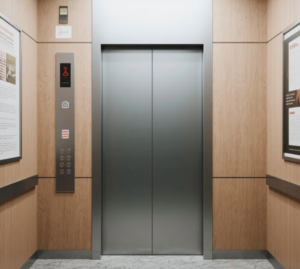
Elevator Landing Door: Definition and Function

  • What Does an Elevator Landing DoorDo?
An elevator landing door serves as the interface between the elevator car and each floor it stops at. Its main function is to ensure passenger safety by preventing access to the elevator shaft when the car is not present. In addition, elevator landing doors contribute to energy efficiency, noise reduction, and the aesthetic integration of the elevator system into the building design.
  • Safety Importance
The safety role of an elevator landing door cannot be overstated. It works in coordination with the elevator car door to prevent accidents, including falls into the shaft or contact with moving parts. Many modern elevator landing doors are equipped with sensors to detect obstacles, ensuring that the door does not close on passengers or objects.

Elevator Landing Door: Types

  • Single-Slide Elevator Landing Doors
Single-slide elevator landing doors open in one direction, either left or right, sliding along a guide rail. These doors are commonly used in residential and low-rise buildings due to their simple structure and lower cost. Despite their simplicity, single-slide elevator landing doors maintain high standards of safety and reliability.
  • Center-Opening Elevator Landing Doors
Center-opening elevator landing doors consist of two panels that slide apart horizontally from the center. This type is widely used in commercial buildings and high-rise structures because it provides a wider entrance, facilitating smoother passenger flow. Center-opening elevator landing doors often include advanced locking mechanisms and safety sensors to meet stringent building codes.
  • Telescopic Elevator Landing Doors
Telescopic elevator landing doors feature multiple sliding panels that overlap to open and close within a compact space. These doors are ideal for locations with limited hallway width, offering a combination of convenience and safety. In motor-driven elevator landing door systems, telescopic designs also allow faster operation while maintaining passenger protection.

Elevator Landing Door: Materials and Design

  • Material Selection
Materials for elevator landing doors include stainless steel, aluminum, tempered glass, and composite panels. Stainless steel is preferred for durability and resistance to corrosion, while aluminum reduces weight for faster operation. Glass panels enhance visibility and aesthetics, and are often laminated or tempered to meet safety standards. Choosing the right materials is a key consideration in elevator landing door manufacturing and installation.
  • Design Considerations
The design of an elevator landing door must balance safety, durability, and aesthetics. Door width, height, and thickness must meet regulatory requirements, while finishes should match the building interior. Many modern elevator landing doors include features such as fire resistance, sound insulation, and anti-pinch mechanisms to enhance functionality and passenger comfort.

Elevator Landing Door: Installation and Maintenance

  • Proper Installation
Correct installation is critical for elevator landing doors to function safely. Alignment with the elevator car door, secure mounting, and proper integration with sensors and locking systems are essential steps. Experienced technicians follow strict procedures to ensure that elevator landing doors operate smoothly and reliably over time.
  • Regular Maintenance
Regular maintenance is necessary to keep elevator landing doors in optimal condition. Lubrication of tracks, inspection of rollers and hinges, and testing of sensors and interlocks help prevent malfunctions. Maintenance routines also ensure compliance with safety regulations and extend the lifespan of the elevator landing door system.

Elevator Landing Door: Applications and Innovations

  • Applications in Modern Buildings
Elevator landing doors are used in a wide range of buildings, including residential apartments, commercial offices, hotels, hospitals, and shopping centers. Each application may require different types of doors, materials, and safety features depending on traffic volume, building height, and regulatory standards.
  • Innovative Features
Recent advancements in elevator landing door technology include smart sensors, energy-efficient drives, and automated diagnostics. Some doors now integrate with building management systems for monitoring and predictive maintenance. These innovations enhance passenger safety, reduce downtime, and improve the overall efficiency of vertical transportation.

Conclusion

An elevator landing door is more than just a protective barrier; it is a vital component that ensures safety, efficiency, and comfort in modern buildings. From different types such as single-slide, center-opening, and telescopic doors, to material choices and advanced sensor integration, every aspect of elevator landing door design and installation contributes to the reliability of the elevator system. Proper maintenance and adoption of innovative technologies further enhance performance, making the elevator landing door an essential part of safe and efficient vertical transportation.0

Featured Articles

Spanish Hand Held Fans
Why Are Spanish Hand Held Fans Considered a Symbol of Spanish Heritage?
EV Charger Wall Mount
EV Charger Wall Mount vs Floor Stand: Which One is Better?
Chinese ficus
Ficus Trees Pruning Guide: When and How to Prune Ficus Trees
Solar wafers
What Are Solar Wafers?
hollow fan
Why Are Hollow Fans Popular in Traditional Handheld Fan Designs?
micro fiber cable
Why Is Micro Fiber Cable Important for Stable Wi-Fi Connections?