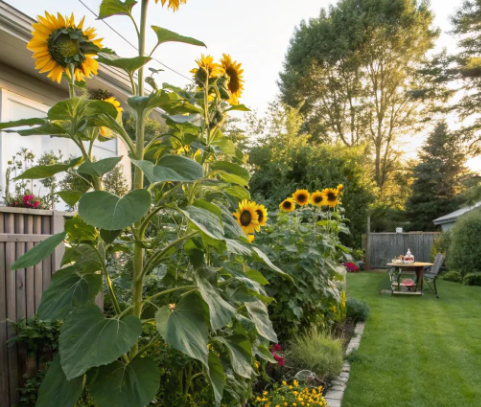
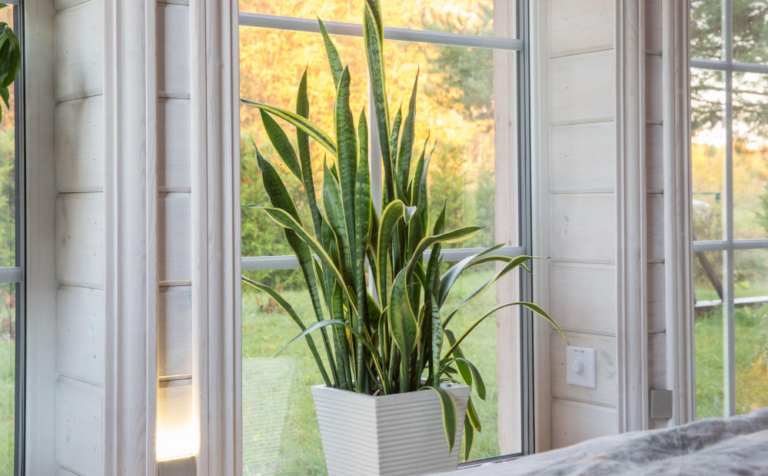
Just because a garden looks attractive does not necessarily mean that a person has to spend a lot on designing a landscape garden or that they have a large garden in their backyard. An attractive garden can, in fact, be made in a limited backyard.
The first factor that a person needs to keep in mind when planning to design a cheap garden is figuring out what the person will need and not need during the course of the process. This implies that instead of making the backyard full of decorative things, a person should invest in necessities.
1. How Do You Plan a Small Garden on a Budget?
1.1 How Should You Measure and Divide a Small Garden?
First of all, measure the area and take into account the following aspects: light, drainage, and existing buildings, in order not to spend money on future remodeling.
The design plan for the garden, with 20 square meters, will look as follows:
• Plants – 10 m² (flowerbeds, shrubs, herbs)
• Sitting area – 6 m² (tables and chairs for sitting)
• Walkways – 4 m² (for better mobility).
This ratio may vary depending on your personal preferences. In case the garden is narrow, you have to create meandering walkways, layered plantings, and vertical plantings. Also, there is one more aspect that you have to take into account – it is the availability of light. While most of the flowers need at least six hours of sunlight, it is possible to grow some flowering plants for shady areas.
1.2 How Much Should You Budget for a Small Garden?
Costs depend on your location, existing conditions, and whether you complete the work yourself.
For a 20 m² garden with usable soil and adequate drainage, consider this illustrative
$500 DIY budget:
| Item |
Estimated Cost |
| Plants and seeds |
$150 |
| Soil amendments and mulch |
$90 |
| Simple pathway materials |
$120 |
| Pots and decorations |
$80 |
| Contingency |
$60 |
| Total |
$500 |
These costs do not include costs associated with labor, machines, or drainage fees. Costs vary with location. First, consider the cost associated with planting and entry requirements. Decorative plants and furniture next.
2. What Are the Best Low-Cost Ideas for Small Garden Design?
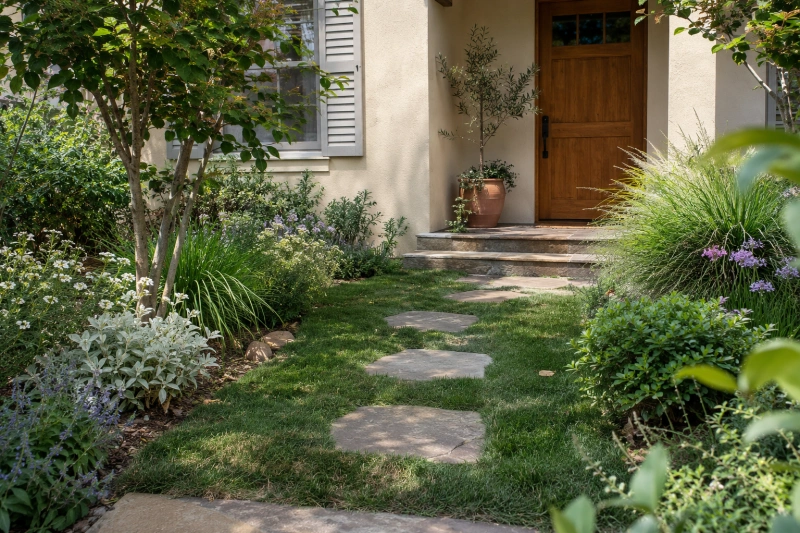
2.1 How Can You Build Affordable Garden Paths?
The paths in the garden will make navigation easy; apart from that, the paths will provide shape to the area between the planting areas and the sitting areas. Some of the economical materials that could be used to pave the paths include gravel, old bricks, and stone steps. The surface area for the path of 4 meters long and 0.8 meters wide can be determined using the following formula: Surface Area = 4 x 0.8 = 3.2 square meters
The volume of the material (gravel) needed is calculated as follows:
Thickness = 50 mm = 0.05 m
Therefore, Volume = 4 x 0.8 x 0.05 = 0.16 m3
Nonetheless, it should also be noted that wastage and compaction are likely to occur during this procedure. Gravel path preparation is also necessary.
2.2 How Can Vertical Gardening Make a Small Garden Look Bigger?
Vertical gardens offer additional growing spaces without consuming too much ground space. Trellises may also be used to plant clematis. Mesh gardens are good for planting peas and climbing beans; parsley and thyme may be planted in wall planters that have drainage holes.
Vertical gardening also adds height to the process. It is crucial to understand the weight-bearing capacity of the shelves and support systems since the pots with wet soil will be quite heavy. For those who rent, portable plant stands will work well.
2.3 How Can You Reuse Materials in Garden Landscaping?
Using the right materials will contribute to reducing the costs and wastage of materials. The old bricks can be used for outlining the flower bed, whereas the old terracotta pots can be used elsewhere. The untreated wooden sticks can be used as planters.
Nonetheless, it should be pointed out that safety is equally significant in the edible garden; thus, the chemically treated pots and untreated wood should not be used.
3. How Do You Choose Plants and Maintain a Small Garden Affordably?
3.1 Which Plants Are Best for a Low-Maintenance Small Garden?
Plants influence both appearance and ongoing expenses. Varieties requiring frequent watering, pruning, or replacement can increase maintenance costs.
Consider these options:
| Plant |
Main Benefit |
Suitable Conditions |
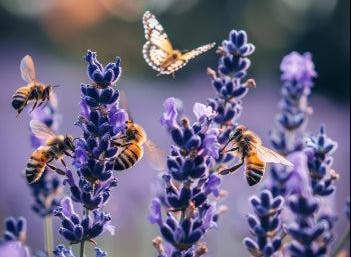
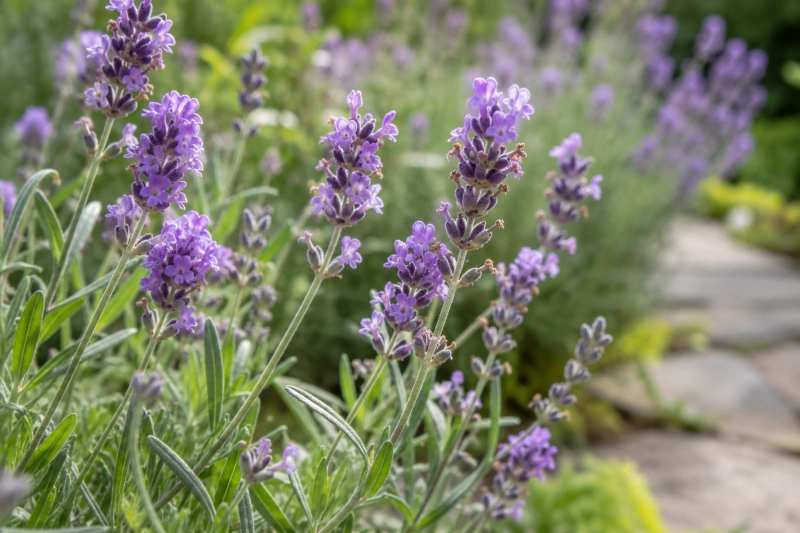
| Lavender |
Drought-tolerant flowers |
Full sun, well-drained soil |
| Creeping thyme |
Low-growing ground cover |
Sunny, well-drained areas |
| Hosta |
Attractive foliage |
Partial shade, consistent moisture |
| Chives |
Edible and compact |
Good light, well-drained soil |
Suitability is determined by the local climate and temperature conditions during winter. Lavender, for instance, cannot tolerate waterlogged soils, whereas hostas usually need more moisture. Using the same compatible plants several times makes it easier to achieve unity than using different plants.
3.2 How Can You Reduce Watering and Maintenance Costs?
Long-term water savings begin with garden design.
Apply organic mulch. A 5- 8 cm-thick layer will be useful to decrease water evaporation from the soil surface and to reduce weed growth. Do not apply mulch near plant stems in order not to create excess moisture around their base.
Apply plants according to their water needs. It is convenient to place plants with similar water needs together.
Harvest rainwater if possible. Rain barrels will allow you to collect water for some plants used for landscape design. Use covers that do not attract insects and have adequate overflow.
Reduce the areas of lawn if it is possible. Instead of lawn, use planting beds, permeable pathways, and suitable ground covers.
Conclusion
Planning is crucial in small gardens, especially when you are on a limited budget. With zoning, inexpensive building, and plant survival in the area, you are guaranteed to have a great garden without wasting any resources. The very first things you are going to do will be drainage, planting, and accessibility of the garden before decorations come into play. Considering cost implications such as water and maintenance at the early stage will protect you from any losses in the future. This is all about efficiency.
0