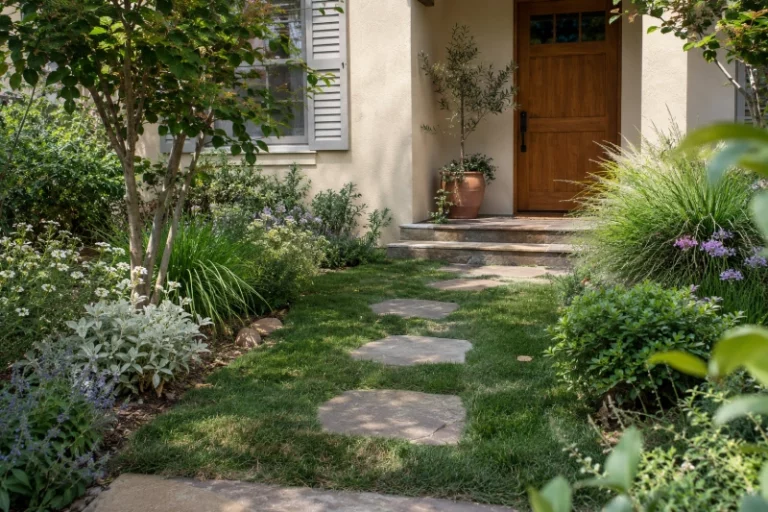
However, it does not mean that a well-kept garden has to be watered on a routine basis. It is possible to select drought-resistant plants to reduce water needs, yet at the same time it is possible to make it look pretty owing to the colors and texture of the plants used. Such kinds of plants can survive without any water. Normally, watering of plants takes place when they get used to the new conditions, and only then is it possible to check whether or not plants have good drought resistance.
1. What Drought-Resistant Plants Need To Be Grown In The Garden?
1.1 Which Drought-Tolerant Flowering Plants Are Best?
Plants that flower can add color to gardens that are dry throughout the seasons, without needing much water.
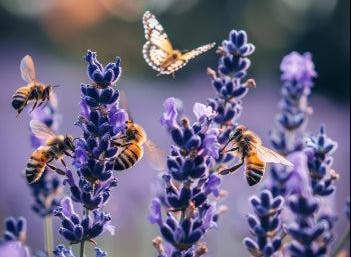
Lavender
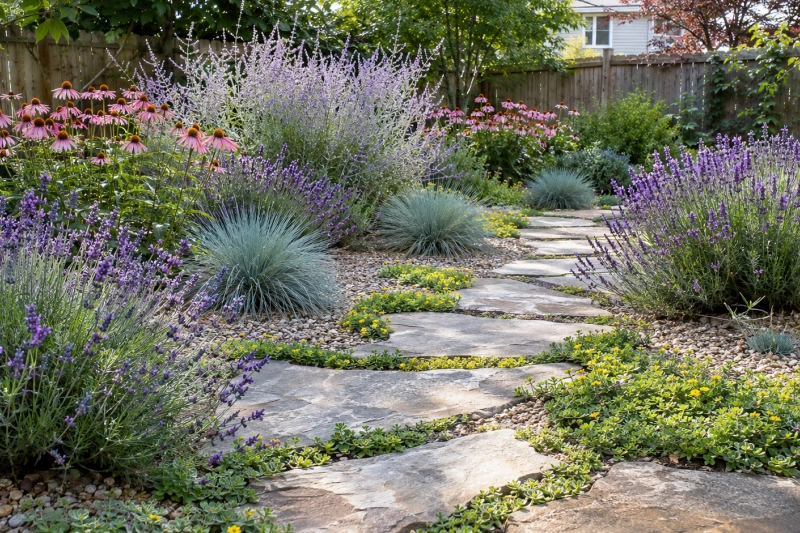
The plant flourishes when exposed to plenty of sunshine and well-drained soil. The lavender plant is highly tolerant of drought and thus can be planted in gravel beds and Mediterranean gardens. But the specifications concerning spacing differ from one species of lavender to another.
Coneflower
Coneflowers are tough plants that yield beautiful blooms and also invite pollinators to them. There are many different kinds of coneflowers, most of which can cope well with drought conditions when mature.
Sedum (Stonecrop)
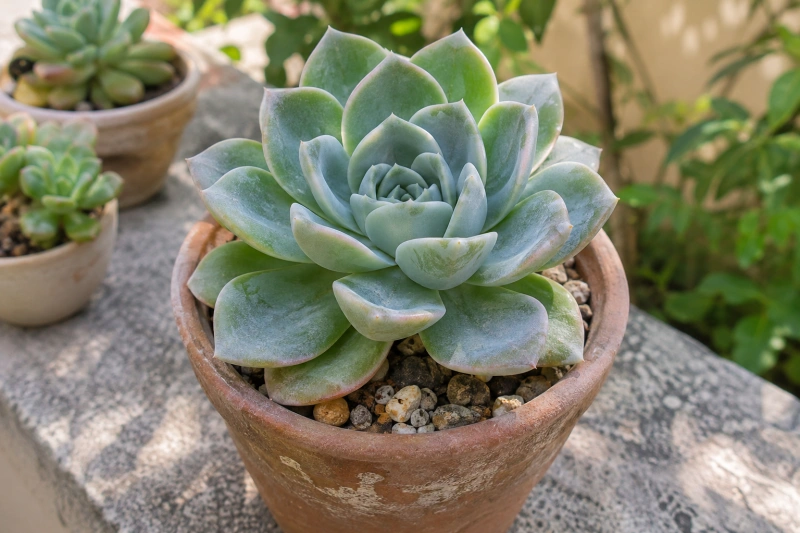
Succulent nature of leaves in most sedum plants means that they have some amount of water stored in their leaves to help them survive during droughts. While some sedum plants work well as ground covers, others can also serve as flowerbed frameworks.
1.2 Which Drought-Tolerant Shrubs and Grasses Work Best?
Ornamental grasses and shrubs give height, movement, and year-round structure.
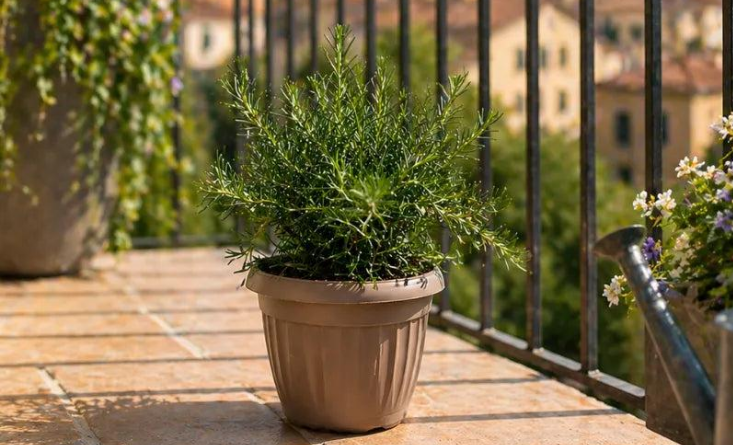
Rosemary
Rosemary is an aromatic evergreen that prefers sunny, well-draining soil conditions. This plant can be grown as either a culinary herb, a container plant, or even a hedge. Cold resistance will vary depending on the particular cultivar.
Russian Sage
Russian Sage has silvery leaves and lavender to purple flowers. The plant is capable of flourishing in areas where there is plenty of sunshine and a dry border.
Blue Fescue
The bluish-grey leaves of this ornamental grass appear when the grass is in the dwarf form. This particular plant can grow in the garden on gravel, as a border, and even in miniscape gardens. However, despite being drought-resistant, some varieties of this plant cannot withstand humid environments.
1.3 How Do Popular Drought-Tolerant Plants Compare?
The right choice depends on mature size, sunlight, and landscape function.
| Plant |
Typical Height |
Sunlight |
Best Use |
| Lavender |
30–90 cm |
Full sun |
Borders, gravel gardens |
| Coneflower |
60–120 cm |
Full sun |
Perennial beds |
| Sedum |
10–60 cm |
Mostly full sun |
Ground cover, borders |
| Rosemary |
30–150 cm |
Full sun |
Herb gardens, hedges |
| Russian sage |
60–120 cm |
Full sun |
Dry borders |
| Blue fescue |
20–40 cm |
Full sun to partial shade |
Edging, small gardens |
Height is approximate and will definitely vary from one variety to another. Having drought tolerance is not equivalent to having an irrigation program. Plants grown in containers or sandy soils will certainly dry up much quicker than plants in garden soils.
2. Selection Criteria for Drought-Tolerant Plants for Various Landscapes
2.1 Which Drought-Tolerant Plants Are Suitable for Small Gardens?
It would be ideal to have small-sized plants for gardening in a space of about 10 by 20 square meters. Sedum will cover the empty spaces on the path, lavender will bring color and fragrance, and blue fescue will bring diversity in foliage.
The composition of the garden may be the following:
• Front: Sedum or any other ground cover.
• Middle: Lavender and blue fescue.
• Back: Coneflower or Russian sage.
Such a garden composition would ensure depth in the visualization of the design using just one type of plant. Make sure that there is sufficient space for growing the plants; otherwise, watering and pruning would get complicated.
2.2 Which Drought-Tolerant Plants Are Best for Hot and Dry Areas?
In such cases, it requires plants that can cope with heat and drought conditions. Examples of such plants are some types of sedums, agaves, and salvias, depending on the weather conditions of the area. This type of landscaping, which involves reducing the amount of lawns and planting plants of the same species requiring the same amount of water, is called xeriscaping.
However, drought resistance is not related to plant adaptability at all. There are some introduced plants that are invasive, and there are some plants that cannot tolerate frost and humidity.
3. How Do You Care for Drought-Tolerant Plants?
3.1 How Often Should Drought-Tolerant Plants Be Watered?
Watering needs change as plants mature.
During Establishment
Watering is essential for new plantings to facilitate root development. Always check the soil frequently, particularly when it is very windy or hot. Do not strictly adhere to a watering schedule regardless of the weather.
After Establishment
Drought-resistant plants that are fully mature need to be irrigated less frequently compared to other types of plants. But the frequency of irrigation will depend on various factors such as temperature, soil, and type of plant. For instance, fully matured lavender in well-draining soil will resist water shortage better than a new plant.
3.2 How Can Soil and Mulching Improve Drought Resistance?
Good soil management helps plants use available moisture more effectively.
Improve Drainage
Many Mediterranean plants dislike waterlogged soil. Raised beds or better-drained planting locations may help, but soil requirements vary between species.
Apply Mulch
Organic mulch applied in layers of 5-8 centimeters is recommended for both moisture conservation and weed control. Mulch should not be placed on the stem to prevent excess moisture at its base. Species that prefer dry soil at their bases will be more suited to mineral mulch.
Group Plants by Water Needs
Group all the plants with similar irrigation requirements together. In this way, the drought-resistant plants will not be over-irrigated, whereas other plants will not be under-irrigated. An alternative would be to adopt the drip irrigation system, where irrigation is done at the roots of the plants.
Conclusion
Some examples of drought-resistant plants are lavender, coneflower, sedum, rosemary, Russian sage, and blue fescue. Each of the listed plants has its own peculiarities regarding the flower, foliage, and shape of the plant. The main point of this topic is that you should choose the plants in accordance with climatic conditions, amount of sunlight, and type of soil.
0