The ligustrum tree is one of the most popular choices for hedges and privacy screens in residential, commercial, and public landscapes. Known for its dense foliage, rapid growth, and adaptability, this plant offers both practical and decorative benefits for outdoor spaces. Homeowners and landscape designers often select it because it can quickly create natural boundaries while maintaining an attractive appearance throughout much of the year. In addition to enhancing privacy, the
ligustrum tree also helps reduce noise, improve property aesthetics, and provide environmental value. Its combination of functionality and low maintenance makes it a reliable option for modern landscaping projects.
Fast Growth Creates Quick Privacy Coverage
One of the main reasons the ligustrum tree is commonly used for hedges is its impressive growth speed. Compared to slower-growing shrubs, it can establish dense coverage within a relatively short period.
Important growth-related advantages include:
- Rapid hedge formation
The plant can grow several feet each year under favorable conditions, helping homeowners create privacy barriers faster.
- Dense branching structure
Its thick foliage naturally fills gaps, reducing visibility through the hedge.
- Quick recovery after trimming
Even after heavy pruning, the plant regenerates efficiently and maintains a full appearance.
- Consistent expansion
With regular maintenance, it continues producing new growth that strengthens the hedge over time.
Because of this fast development, the ligustrum tree is often chosen for newly built homes or landscaping projects that require immediate visual screening.
Dense Foliage Provides Excellent Screening Effect
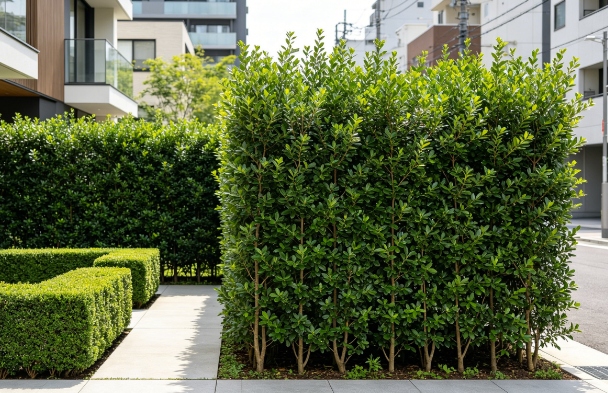
The structure of the ligustrum tree makes it highly effective as a natural privacy barrier. Its compact leaves and branching habit allow it to block views more effectively than many other ornamental plants.
Visual Privacy Benefits
- Thick foliage helps shield outdoor areas from neighboring properties or busy streets.
- Dense growth creates a more secluded and comfortable environment for gardens and patios.
Noise Reduction
- Large hedge rows can help soften traffic sounds and reduce environmental noise levels.
Wind Protection
- Closely planted hedges act as windbreaks, helping protect outdoor spaces and delicate plants.
Boundary Definition
- The plant naturally creates clear property divisions without the need for artificial fencing.
These features make the ligustrum tree both functional and visually appealing in landscape design.
Adaptability to Different Environmental Conditions
Another reason for the widespread use of the ligustrum tree is its ability to adapt to various climates and soil conditions. This flexibility allows it to perform well in many regions.
Key environmental advantages include:
- Tolerance to different soil types
It can grow in sandy, loamy, or moderately clay-based soil if drainage is sufficient.
- Ability to handle urban environments
The plant tolerates pollution and changing weather conditions better than many delicate ornamental species.
- Partial shade adaptability
Although it prefers full sun, it can still survive and grow in partially shaded areas.
- Moderate drought resistance
Once established, mature plants can tolerate periods of limited rainfall.
Because of these qualities, the ligustrum tree remains a dependable option for both experienced landscapers and beginner gardeners.
Easy Maintenance and Shaping Flexibility
Maintaining a hedge can be time-consuming with certain plant species, but the ligustrum tree is valued for its relatively simple care requirements and excellent response to pruning.
Some maintenance advantages include:
| Maintenance Feature |
Benefit |
| Regular pruning response |
Encourages fuller and more controlled growth |
| Shape flexibility |
Can be trimmed into formal or natural hedge styles |
| Strong regeneration ability |
Quickly replaces damaged or cut branches |
| Long-term durability |
Remains healthy with routine seasonal care |
This flexibility allows property owners to customize hedge height, width, and style according to different landscaping goals.
Aesthetic and Environmental Benefits
Beyond privacy and functionality, the ligustrum tree also contributes to the beauty and ecological value of outdoor environments.
Several additional benefits include:
- Year-round greenery
wide varieties maintain lush green foliage for most of the year, improving landscape's appearance.
- Enhanced curb appeal
Well-maintained hedges create a neat and organized visual effect around homes and buildings.
- Wildlife support
Dense branches provide shelter for birds and small beneficial insects.
- Improved outdoor atmosphere
Green natural barriers create a calmer and more relaxing environment compared to hard fencing materials.
These aesthetic and ecological contributions further increase the popularity of the ligustrum tree in landscape planning.
Conclusion
The ligustrum tree is widely used for hedges and privacy screens because of its fast growth, dense foliage, adaptability, and low maintenance requirements. It provides effective visual screening, noise reduction, wind protection, and attractive greenery while remaining easy to shape and manage. Its ability to thrive in different environments makes it suitable for residential gardens, urban landscapes, and commercial properties alike. By combining practicality with aesthetic appeal, the ligustrum tree continues to be one of the most reliable and versatile choices for creating natural privacy barriers and enhancing outdoor spaces.
0