A traffic light control system is a coordinated setup of hardware and software designed to manage traffic signals at intersections, pedestrian crossings, and road junctions. This article explains what a traffic light control system is, how it operates, the main types used today, and why modern traffic management relies heavily on intelligent control rather than fixed schedules.
 The controller is the “brain” of the system. It runs the logic that determines signal timing and phase changes. Modern controllers use microprocessors and can store multiple timing plans for different traffic conditions, such as rush hour or nighttime traffic.
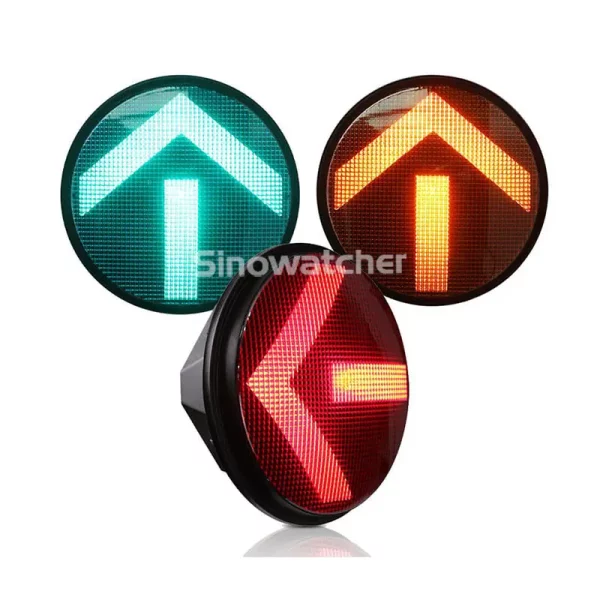
Signal heads are the visible lights that drivers and pedestrians see. These now typically use LED technology for better visibility, lower power consumption, and longer service life.
Detection devices are critical in modern traffic light control systems. These can include inductive loop detectors embedded in the road, video cameras, radar sensors, or infrared detectors. They provide real-time traffic data to the controller.
Communication systems allow multiple intersections to share information. This enables coordinated traffic light control systems where signals along a corridor work together to create smoother traffic flow.
The controller is the “brain” of the system. It runs the logic that determines signal timing and phase changes. Modern controllers use microprocessors and can store multiple timing plans for different traffic conditions, such as rush hour or nighttime traffic.
Signal heads are the visible lights that drivers and pedestrians see. These now typically use LED technology for better visibility, lower power consumption, and longer service life.
Detection devices are critical in modern traffic light control systems. These can include inductive loop detectors embedded in the road, video cameras, radar sensors, or infrared detectors. They provide real-time traffic data to the controller.
Communication systems allow multiple intersections to share information. This enables coordinated traffic light control systems where signals along a corridor work together to create smoother traffic flow.
Core Components of a Traffic Light Control System
A traffic light control system may look simple from the outside, but internally it consists of several key components working together.
The controller is the “brain” of the system. It runs the logic that determines signal timing and phase changes. Modern controllers use microprocessors and can store multiple timing plans for different traffic conditions, such as rush hour or nighttime traffic.
Signal heads are the visible lights that drivers and pedestrians see. These now typically use LED technology for better visibility, lower power consumption, and longer service life.
Detection devices are critical in modern traffic light control systems. These can include inductive loop detectors embedded in the road, video cameras, radar sensors, or infrared detectors. They provide real-time traffic data to the controller.
Communication systems allow multiple intersections to share information. This enables coordinated traffic light control systems where signals along a corridor work together to create smoother traffic flow.
Types of Traffic Light Control Systems
Not all traffic light control systems work the same way. Different environments require different control strategies.Fixed-Time Control Systems
A fixed-time traffic light control system uses pre-set signal timings that do not change based on traffic conditions. Each signal phase runs for a specific duration, repeating in a loop. This type of system is simple and reliable, but it is inefficient when traffic demand changes. Fixed-time control is still used in low-traffic areas or where traffic patterns are very predictable.Actuated Traffic Light Control Systems
An actuated traffic light control system adjusts signal timing based on input from detectors. When vehicles or pedestrians are detected, the controller modifies the green time accordingly. This approach improves efficiency and reduces unnecessary waiting time. Most modern intersections use some form of actuated control because it balances simplicity with responsiveness.Adaptive Traffic Light Control Systems
Adaptive traffic light control systems represent the most advanced approach. These systems continuously analyze real-time traffic data and adjust signal timings across multiple intersections. Instead of reacting only to local conditions, adaptive systems consider traffic flow across an entire network. This makes them especially useful in busy urban areas where congestion can quickly spread.Traffic Light Control Systems and Smart Cities
In the context of smart cities, the traffic light control system becomes part of a larger intelligent transportation system. Data from traffic signals can be shared with traffic management centers, navigation apps, and public transport systems. For example, a smart traffic light control system can give priority to buses or trams to improve public transportation reliability. It can also adjust signal timing during special events or road construction. Integration with artificial intelligence and machine learning is another growing trend. These technologies allow traffic light control systems to learn traffic patterns over time and optimize performance automatically.Challenges in Traffic Light Control System Design
Despite their benefits, traffic light control systems face several challenges.- One challenge is system complexity. As systems become more adaptive and connected, they require careful configuration and maintenance. Poorly tuned systems can create confusion rather than improve traffic flow.
- Another issue is cost. Advanced traffic light control systems require sensors, communication infrastructure, and software platforms, which may be difficult for smaller cities to implement.