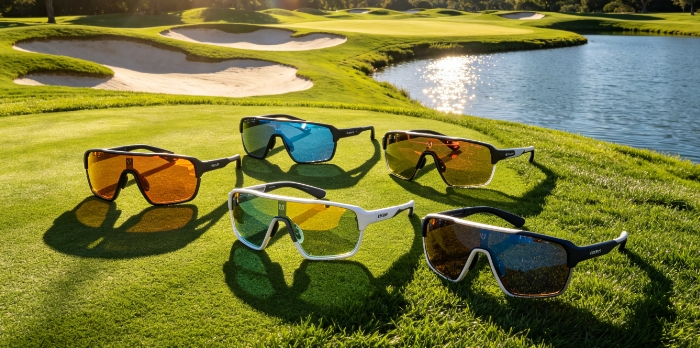
Golf is a sport that relies heavily on visual accuracy, depth perception, and stable focus over long periods of outdoor play. Because players constantly deal with changing sunlight, shadows, and reflections from grass or sand, eyewear has become an important part of modern golf equipment. Many beginners and even experienced players often ask whether golf sunglasses truly make a difference in performance or if they are just a marketing accessory. In reality, their effectiveness depends on lens technology, frame design, and proper selection from a reliable golf sunglasses supplier, who can provide products tailored to different playing conditions and player needs.
How Golf Sunglasses Improve On-Course Vision
Golf sunglasses are designed to enhance visual clarity and reduce environmental distractions that can affect performance.- Glare reduction on open courses: Sunlight reflecting off fairways, bunkers, and water hazards can interfere with focus. Quality lenses help minimize this glare, allowing players to maintain a clear view of the ball and target line.
- Enhanced contrast for better depth perception: Golf requires precise distance judgment. Specialized lenses improve contrast between the ball and background, helping players better judge slopes, greens, and landing areas.
- Stable vision under changing light: Courses often have shifting light conditions due to clouds or tree shadows. Proper eyewear helps maintain consistent brightness levels, reducing sudden visual adjustments.
Key Features That Determine Performance
Not all golf sunglasses provide the same level of benefit. Several important features influence how well they perform on the course.Lens Technology and Optical Clarity
High-quality lenses are the foundation of effective sports eyewear.- UV400 protection helps block harmful ultraviolet rays during long outdoor exposure.
- Polarized coatings reduce reflection from water, sand, and shiny surfaces.
- Contrast-enhancing tints help define terrain changes such as slopes and grass texture.
Frame Design and Comfort
Comfort is essential for maintaining focus over several hours of play.- Lightweight materials reduce pressure on the nose and ears during long rounds.
- Wraparound construction enhances peripheral vision and eliminates side glare.
- Anti-slip nose pads ensure stability even during sweating or movement.
Durability and Environmental Resistance
Golf eyewear must perform consistently under outdoor conditions.- Scratch-resistant coatings protect lenses from sand and equipment contact.
- Flexible frames reduce breakage risk during transportation or impact.
- Weather-resistant materials maintain performance in humidity or wind.
Real Benefits for Different Types of Golf Players
The effectiveness of golf sunglasses varies depending on the player's experience and playing style.- Beginners: Help reduce visual confusion and improve confidence when tracking the ball.
- Intermediate players: Support better consistency by enhancing contrast and reducing distractions on unfamiliar courses.
- Advanced players: Improve precision in reading greens, judging slopes, and maintaining focus during competitive rounds.
When Golf Sunglasses Make the Biggest Difference
Although they are useful in most conditions, there are certain environments where golf sunglasses provide maximum benefit.- Bright sunny days: Strong sunlight increases glare from grass, sand, and water hazards, making eye protection essential.
- High-reflection courses: Courses with lakes or wet surfaces create additional light reflection that can interfere with vision.
- Long tournament rounds: Extended exposure to sunlight increases eye fatigue, making visual comfort even more important.
Limitations and What Players Should Consider
While golf sunglasses offer many advantages, they are not a one-size-fits-all solution.- Incorrect lens tint may reduce visibility in cloudy or low-light conditions.
- Poor-quality lenses can distort color perception and negatively affect depth judgment.
- Improper fit may cause distraction, especially during swing motion or head movement.