Choosing a reliable
trash can manufacturer is an important consideration when sourcing waste containers. Not only does it affect the price of the product itself, but it also influences customer satisfaction. Although there is some similarity among the types of goods that are produced by different manufacturers, there are a lot of differences among them.
In this way, it is possible to avoid all sorts of problems and build good business relations.
1. Define Your Product Requirements
Before contacting any suppliers, it is necessary to establish what your market is, what your application is, how much material you need, and what your budget is.
Identify Suitable Product Types
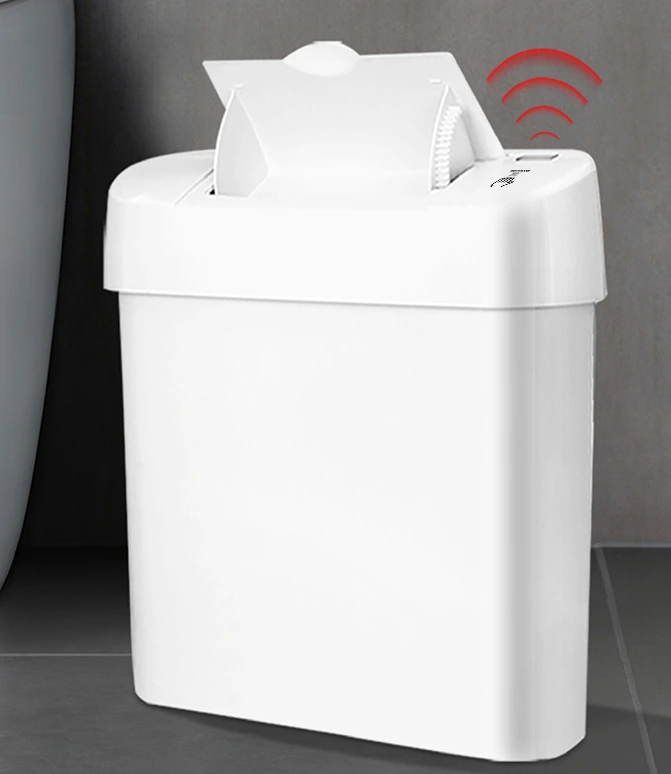
Common options include Automatic Sensor Bins, Wall-Mounted Bins, Pedal Bins, and Free-Standing Bins.
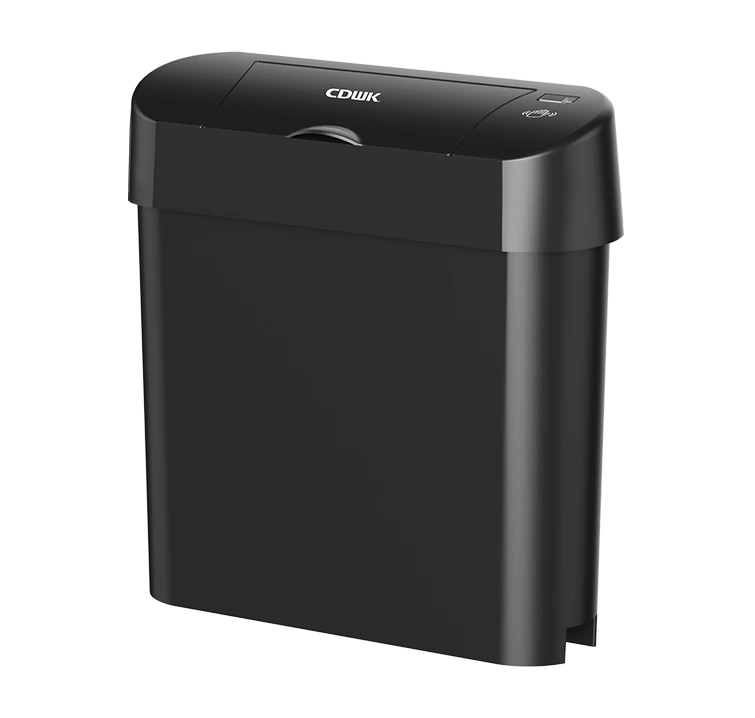
- Automatic Sensor Bins: Introduce sensors that can enable touchless opening of doors. Test the sensor, electrical system, and electronics.
- Wall-Mounted Bins: Save floor space in bathrooms, hotels, and commercial buildings. Think about ways to mount, weight tolerance, and cleaning ease.
- Pedal Bins: Offer hands-off access through the pedal. Assess pedal strength, hinge strength, and lid closing.
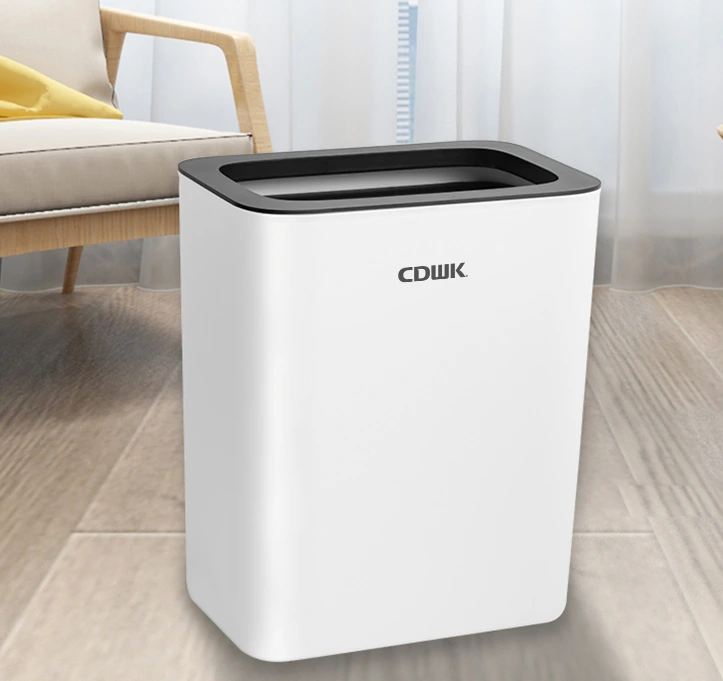
- Free Standing Bins: Are best suited for homes, offices, retail locations, and outdoors. Consider capacity, stability, mobility, and protection from the elements.
Typically, waste receptacles that are used in homes and offices range from 5 to 30 liters of waste. Those used commercially contain between 50 and 120 liters of waste, or even more. The required capacity varies according to the volume of waste generated.
Establish Technical Specifications
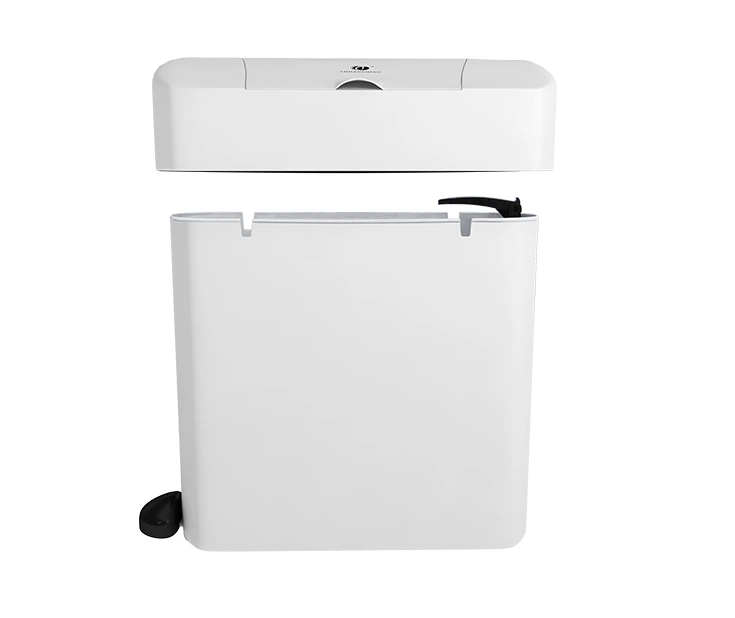
Produce a specification sheet with information regarding dimensions, materials, color, wall thickness, lid, accessories, and packaging. The specification sheet of the sensor trash can should contain the specifications for power and sensors, while the specification sheet of the wall-mounted trash can should contain the installation specifications.
The preparation of a specification sheet will make sure that the quotation provided by the trash can manufacturer is accurate and there will be no discrepancy between samples and actual product.
2. Evaluate Manufacturing Capabilities
A reliable trash can manufacturer should demonstrate actual production capabilities rather than simply reselling products.
Verify Factory Equipment and Processes
Send photographs of the manufacturing process, videos, a machinery list, and information about the manufacturing process. Conduct an audit or inspect the manufacturing process if it is possible.
Common plastic bins can be manufactured using either the injection or blow molding processes, whereas stainless steel bins can be formed using sheet metal forming, welding, polishing, and finishing processes. Bins with sensors need assembly.
Make sure that the manufacturing processes are controlled by the manufacturer; this includes material inspection, forming, assembling, and packaging. Ensure the manufacturer has the appropriate machinery and technical capabilities to produce your required products.
Check Production Capacity and Lead Times
Output per month is dependent on the productivity of the machinery, availability of molds, manpower, availability of raw material, and orders. Ask about their capacity of production, planning, and scheduling during peak periods.
In short, the first order may take 20 to 35 days depending on the product complexity and availability of raw material. A good supplier will give you a realistic time frame.
3. Examine Materials and Durability
Material selection and manufacturing quality influence service life, maintenance requirements, and suitability for different environments.
Assess Material Quality
High-density polyethylene (HDPE) is usually a very hard and chemical-resistant material and hence fits the description of most plastic bins. On the other hand, polypropylene (PP) is usually a very hard and heat-resistant material.
When considering stainless steel products, ensure you know the grade of steel, sheet thickness, and also welding/finishing work. Outdoor items may need more corrosion resistance features.
Request Product Test Results
Ask the trash can manufacturer to provide relevant test reports or agree on testing requirements before production.
| Test item |
Evaluation purpose |
| Load testing |
Resistance to deformation |
| Impact testing |
Durability during handling |
| Opening-cycle testing |
Pedal, hinge, and lid performance |
| Sensor testing |
Response consistency and automatic operation |
| Weather resistance |
Outdoor material stability |
| Corrosion testing |
Protection of metal components |
For instance, customers might indicate 5,000-10,000 opening cycles in a pedal bin as a condition for their acceptance. However, this factor is flexible and is not governed by a universally recognized industry standard. Testing should be done under conditions that mimic actual usage.
4. Review Quality Control and Certifications
Consistent quality control helps minimize defects, returns, and replacement costs.
Examine Inspection Procedures
Inspection is required at various levels by a professional supplier. The incoming level involves checking the specifications and color uniformity of materials. In process inspection includes molding flaws, dimensional flaws, and assembly flaws. Final inspection includes appearance, dimensions, function, and packaging.
The sensors in Automatic Sensor Bins should be tested for activation, lid operation, and connection to power. Pedal-operated bins should undergo testing to ensure smooth pedal operation and proper lid closure.
Verify Certifications and Documentation
The ISO 9001 certification proves the existence of a well-developed quality management system; however, it does not ensure that all products have the required performance characteristics.
Examine the validity of the certificate, its scope, and the name of the organization that issued it. In some cases, other compliance documents might be needed depending on the country where the product will be sold.
5. Compare Customization and Total Costs
For distributors and private-label brands, customization and purchasing costs are important factors when selecting a trash can manufacturer.
Confirm OEM and ODM Services
The customization can be done with respect to logos, color schemes, capacity, lid design, sort codes, and packaging. Determine what changes involve existing designs and those requiring new mold making.
In case of custom products, determine the tooling costs, development schedule, ownership and maintenance of the mold. Approval of the prototype prior to mass production reduces errors.
Calculate the Total Purchasing Cost
Avoid comparing suppliers merely on the basis of their unit prices. Take into account the following considerations: tooling, packaging, shipping costs, import costs, warehousing costs, and possible quality costs.
In some cases, an item that is 5% cheaper may actually cost more overall due to its heavy packaging resulting in increased shipping costs and reduced durability requiring frequent replacements. In the case of sensor units, include the cost of replacing batteries, electronics, warranties, and repairs.
Ensure you have the minimum order quantities (MOQs), payment terms, re-supply procedures, and handling procedures for defects.
6. Test Samples Before Bulk Purchasing
Product catalogs cannot serve as substitutes for an examination of samples. Ask for samples to match the specifications of the mass-produced product and examine materials, sizes, precision of assembly, lid operation, and protective measures in packaging.
The testing must correspond to the particular product purpose. Sensor Bins should have testing of sensor sensitivity, whereas Wall-Mounted Bins should be tested in terms of their installation and load capacity. Testing of Pedal Bins should be functional, and Free-Standing Bins should be tested for their stability.
It would be beneficial to place a smaller order initially to observe lead time, uniformity of batches, efficiency of communication, and the supplier’s problem-solving. Such tests will allow assessing whether the trash can manufacturer meets purchasing demands consistently.
7. Establish a Supplier Evaluation System
A structured scoring system makes supplier comparisons more objective.
| Evaluation criterion |
Suggested weighting |
| Product quality and testing |
30% |
| Production capacity and delivery |
25% |
| Total purchasing cost |
20% |
| Customization capabilities |
15% |
| Communication and after-sales service |
10% |
Adjust these weightings as per the needs of your project. While municipal projects will focus on reliable deliveries, customized electronic goods will have an increased need for quality components and support.
In any case, the correct trash can manufacturer should always be one that offers good product quality, reliable deliveries, reasonable prices, and good service. The specifications are to be made clear, factory capacities analyzed, quality records inspected, and samples tested.
0