September is another month that may be a perfect choice for re-examining the garden. Though the extremely high temperatures of summertime will pass, the soil will still retain the warmth. At the same time, there will be enough sunshine to grow rosemary until the cold weather sets in. The more favorable conditions can be seen in those places where the fall season is not too cold and allows having additional time before winter for growing. But unlike other plants, which require moist soil, rosemary needs full sun, fast-draining soil, and drying out between waterings.
As far as the time of planting depends on the climate of the place, it can change. For instance, a gardener from Texas can still face the problem of hot weather in September, while for people in the north of Europe, it can be the month when the nights get much colder. In addition, the amount of rain can vary significantly. Therefore, it makes sense to consider the weather outdoors rather than planting calendars. Warm weather and dry soil are the ideal conditions for September.
What Makes September an Excellent Month to Grow Rosemary?
The growth of rosemary is possible under sunny weather and well-drained soil, which are two aspects available even in the month of September in many places. The warm temperatures during summer will start declining, making it more comfortable for new rosemary plants to grow in preparation for the coming winter.
While September in the southern states of the USA and southern parts of Europe will be fairly warm, making the planting process outdoors possible, the cooler temperatures in other places will necessitate planting in pots.
| Region |
September Conditions |
Main Rosemary Concern |
| Southern United States |
Warm days, longer autumn season |
Excess moisture after rainfall |
| Southern Europe |
Sunny and relatively dry |
Maintaining good drainage |
| Temperate regions |
Gradually cooling temperatures |
Protecting plants from cold nights |
| Colder regions |
Shorter remaining growing season |
Preparing for indoor protection |
The key is not simply planting because the calendar says September. Check the weather, observe the soil, and choose a location that matches the plant's needs.
How to Look After Rosemary Depending on Temperature?
Temperature affects the conditions necessary, yet it cannot be taken into account independently of light, watering, and soil. A warm environment with improper drainage is harder to maintain than a cooler location suitable for growth.
Warm Environment: Care About Drainage
If the weather is hot enough by September, rosemary may remain outdoors. It should receive lots of sunlight, while the soil should be allowed to dry out between waterings. In addition, one should ensure there is no excess water near the roots after rainfall.
A common mistake is regular watering of rosemary regardless of other aspects. Yet, one should first make sure of the state of moisture in the soil. If it remains moist even several centimeters deep, then probably more watering is unnecessary.
Mild Environment: Use Sunlight
At mild temperatures, a sunny balcony, terrace, or south-oriented window could be considered as a place for cultivation. A pot for growing should have enough drainage holes, and the substrate should not retain extra moisture.
There is no need to use a very big pot. Proper pot selection could help with providing enough space for root development while maintaining fast drying of the soil.
Cooler Environments: Winterizing Plants
In places where autumn comes very fast, gardeners need to watch the nighttime temperatures. The potted rosemary can be moved against a protected wall or another sheltered spot.
It becomes easier to move the plant inside the house in anticipation of the cold weather than to save the plant from frost damage. Rosemary needs to be placed in a sunny window and kept out of constantly damp conditions.
For many home gardens, the maintenance routine is rather simple:
- Light: Choose a position with strong natural sunlight.
- Water: Water when the soil has dried rather than following a rigid calendar.
- Soil: Use a loose, well-draining growing medium.
- Airflow: Avoid cramped, poorly ventilated corners.
- Temperature: Protect container plants when local weather becomes too cold.
Where Can Rosemary Be Used In Gardening?
Rosemary is more flexible than just another kitchen herb. Its needle-like leaves, woody stems, and natural form make it suitable for planting in functional and ornamental designs.
Windowsill
A sunny windowsill in the kitchen can be a great place for a small rosemary bush that will be convenient to harvest when cooking roast vegetables, bread, sauces, and other meals.
The main thing to remember is light. Do not sacrifice good health for the sake of convenience, which means that a dark kitchen might not be the most appropriate choice.
Balcony or Terrace
The advantage of rosemary is that it will add both texture and aroma to your garden, without necessitating big flowerbeds for its planting. The number of pots with rosemary, planted at various heights, is sufficient.
Moreover, the plants may be cultivated jointly with other herbs, such as thyme and sage, if there are no differences in the conditions of planting of these plants.
Garden with Herbs and Courtyards
If the garden is quite large, then rosemary will give a structural element among other herbs and flowers. There is no necessity to place plants symmetrically; it is enough to use various heights of the plants.
The planting of rosemary will be perfect for a sunny and well-drained area of the courtyard or herb garden, and after its planting, there is no necessity to water it regularly.
A Low-Maintenance Garden With One Rosemary Plant
The construction of a garden with low maintenance is not a difficult process. The selection of plants that are compatible with the local climate will enable minimizing the time to water and taking care of them. For example, one such plant is rosemary. It will become resistant to drought after it is settled and will not need more watering than any other moisture-loving plant.
Undoubtedly, the rosemary plant will need light, watering, pruning, and protection against harsh weather. However, the design of a low-maintenance garden should not ignore the plants but should choose ones that do not need much care.
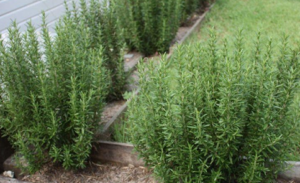
The rosemary shrub can become the key element of your garden too. Combine it with other aromatic plants on the balcony or in the sunlit courtyard.
Conclusion
It is possible that September may turn out to be a great month for planting rosemary, depending on the weather conditions prevailing in the area. In warm climates, the growth of rosemary can continue even outdoors, but in cold climates, it will depend on the care of nighttime temperatures at night and preparation for winter.
Most significantly, the planting of rosemary highlights how the choice of plants could help in adopting an effective strategy for sustainable gardening. It helps to make a nice-looking garden without using water wastefully and maintaining the garden unnecessarily.
0