September is an ideal time for growing lavender if one considers the weather conditions. As the summer season gradually comes to an end in the Northern Hemisphere, cooler weather is likely to favor the establishment of lavender roots prior to the winter season. It is worth mentioning that lavender plants do not tolerate wet soil; thus, rainfall, drainage, and weather during the winter play a role as significant as temperature.
The West Coast and some parts of the southern regions of the United States may provide suitable autumn weather. Similarly, southern and western Europe are ideal places for growing lavender.
Which Areas Support Growing Lavender During September?
Ideal September weather will involve warm days, cool nights, abundant sunshine, and rapidly draining soil. Assuming that the earth is still relatively warm following the peak of summer, small plants can establish their roots without experiencing extreme heat stress.
A Mediterranean climate will prove to be ideal since lavender grows best in conditions of full sun and relative dryness. Temperate zones may also prove to be favorable when there are still mild weeks left until hard frost. Early planting is preferable for cold regions.
| Climate |
September Planting |
Main Concern |
| Mediterranean |
Excellent |
Avoid excess water |
| Warm and dry |
Excellent |
Water during establishment |
| Mild temperate |
Good |
Allow roots to develop |
| Cool and rainy |
Moderate |
Improve drainage |
| Cold winter climate |
Limited |
Frost and moisture |
Check the local forecast before planting because a September date suitable for one region may be too late elsewhere.
What Type of Care Does Lavender Require in Various Climates?
Lavender care is not complicated if certain conditions are provided to it. Lighting, temperature, watering, soil, and drainage have an effect on how the plant behaves, particularly during the planting period at the beginning of autumn.
Plenty of Sunlight Required
The perfect place for growing lavender is a bright one that gets several hours of sunshine per day. A sunny balcony, courtyard, or flower bed would be appropriate. If there is humid autumn weather, then it would be good to grow lavender in a spot with good ventilation.
Watering Requirements
Watering should be done moderately for newly planted lavender until its roots become established. Established lavender is more likely to tolerate dry conditions than wet conditions. Water according to soil conditions and not on a set timetable.
Drainage becomes extremely crucial when it rains during the autumn period. Clay soil can hold more moisture than needed by the plant. Raised beds or drainage containers are a good idea.
Soil Choice
Lavender grows best in soil that is loose and drains easily, as opposed to soil that is rich in nutrients and wet. Too much fertilizer will encourage vegetative growth, which is not good for the plant. Avoid deep pruning of older and woody stems, especially during cold winter periods.
Where Should Lavender be Planted in the Home and Outdoors?
The plant could look great in a variety of settings, such as an apartment balcony or a yard. The attractive leaves and flowers could be used in landscaping and gardening.
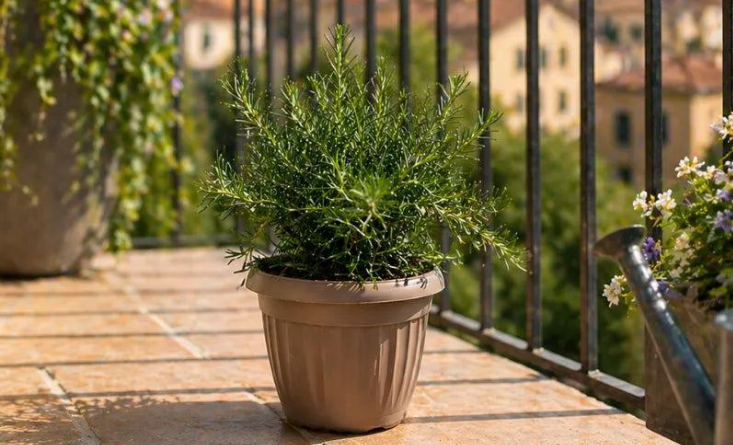
The plant will thrive in a pot placed on a balcony or windowsill, provided there are holes for drainage. Find a place that will have enough sun exposure, and avoid having water in the saucer.
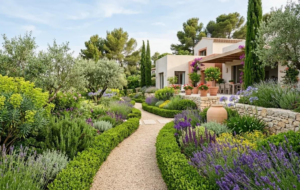
The plant could work nicely next to paths and seating areas, entrances, as well as on the edges of flowerbeds. Its light color would blend in nicely with gravel, stones, and wood.
As the plant is drought-resistant, it could be planted with such plants like rosemary, thyme, and sage, which also enjoy sunny and dry locations. Thus, you will be able to simplify maintenance procedures and save water.
Can Lavender Help Create a More Eco-Friendly Garden?
Another feature to take into account when designing a garden is the need for water conservation. Once lavender settles in its proper place, it will easily withstand arid conditions, making this plant a great choice for a drought-tolerant garden in a region with hot summers and limited rainfall. In addition, using drought-resistant plants may significantly simplify daily gardening.
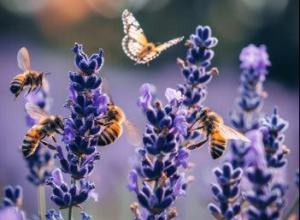
Moreover, the blooming season will add more life to the garden. The flowers of lavender are able to attract pollinators, especially when planted together with other flowers. In this way, one could use native species with different blooming seasons to keep the garden alive throughout all seasons of the year and provide the area's pollinators with something to eat.
An eco-garden does not necessarily look like a barren and untidy place with only grass and bare ground. For example, lavender will brighten up the garden with its scent and flowers. Also, it can perfectly combine with elements such as mulching, composting, permeable pavements, and drip irrigation systems. Thus, using the natural abilities of plants along with some additional water-saving practices can make the garden both attractive and environmentally friendly.
Conclusion
Thus, is September ideal for lavender planting? It can be considered for mild and warm areas; however, if summer heat has already cooled down and winter has not yet come. In the case of a colder and more humid climate, extra care must be taken during all cool-season months with regard to the planting period, types of lavender, drainage, and the possibility of frost.
The thing is to find out whether a particular type of lavender matches the local climate. When there is enough light, proper irrigation, and drainage, the plant can become quite decorative and a relatively maintenance-free addition to a balcony, courtyard, garden, or drought-resistant landscape
.
0